Mold Basics: Classification, Structure, and Material Selection for Practical Shop Use
September 23, 2026
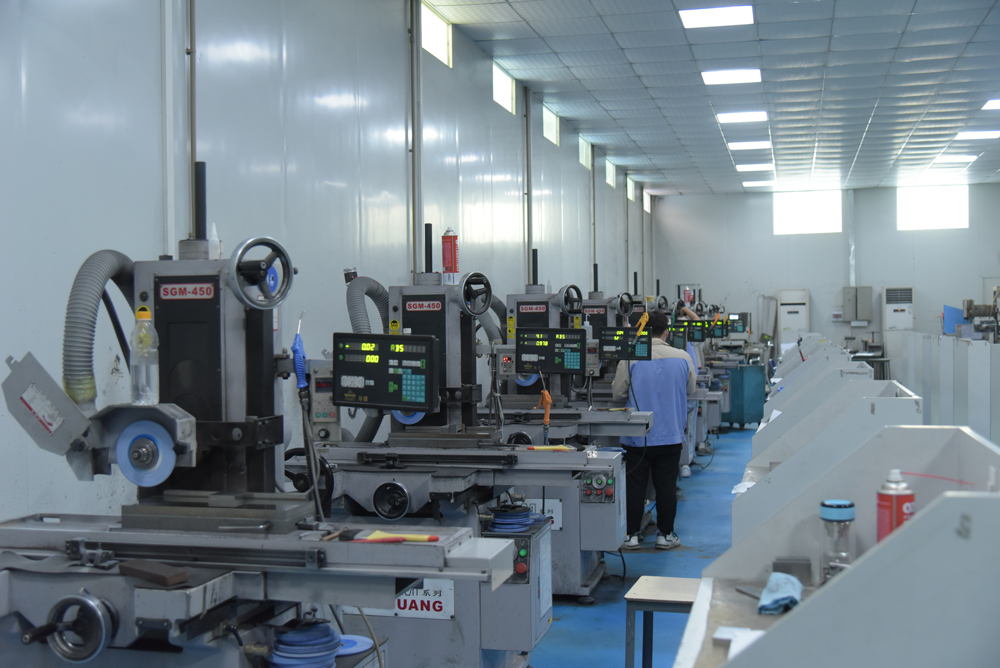
In the mold shop, we usually start by classifying the tool by process: injection molds for plastics, compression molds for rubber and composites, die-casting molds for aluminum and zinc, and stamping dies for sheet metal. Each family has its own steel and heat-treatment logic. For large injection molds, pre-hardened P20 or 718 is common because it machines well and holds a 30–36 HRC working hardness, which is enough for tens of thousands to hundreds of thousands of shots. When abrasive glass-filled resins or high-volume automotive parts are involved, we move to hardened H13 or S136, often 48–52 HRC, to protect the cavity and core from wear and galling.
Structurally, a mold is more than a cavity block. The core and cavity inserts set the part geometry; the runner system, gates, and cooling channels control fill and cycle time. A well-balanced cooling layout can cut cycle time by 10–20% compared with a poorly placed circuit, and that directly affects profitability. Ejection, sliders, lifters, and hot-runner manifolds must be designed with maintenance in mind. In die casting, die steel such as H13 with proper nitriding or PVD coating helps resist thermal fatigue and soldering. In stamping, D2 or SKD11 at 58–60 HRC is typical for high-volume blanking, while A2 or O1 may be sufficient for lower runs.
Material selection is always a trade-off among hardness, toughness, polishability, and cost. A common mistake is over-specifying steel for a low-volume program and driving up lead time, or under-specifying for a high-cycle job and paying for it in downtime. Match the steel to the resin or metal being processed, the expected shot count, and the tolerances required. For more mold sourcing and supplier information, visit MoldWorld at www.moldw.com.