Stamping Process Breakdown: Practical Mold Logic from Forming to Separation
September 23, 2026
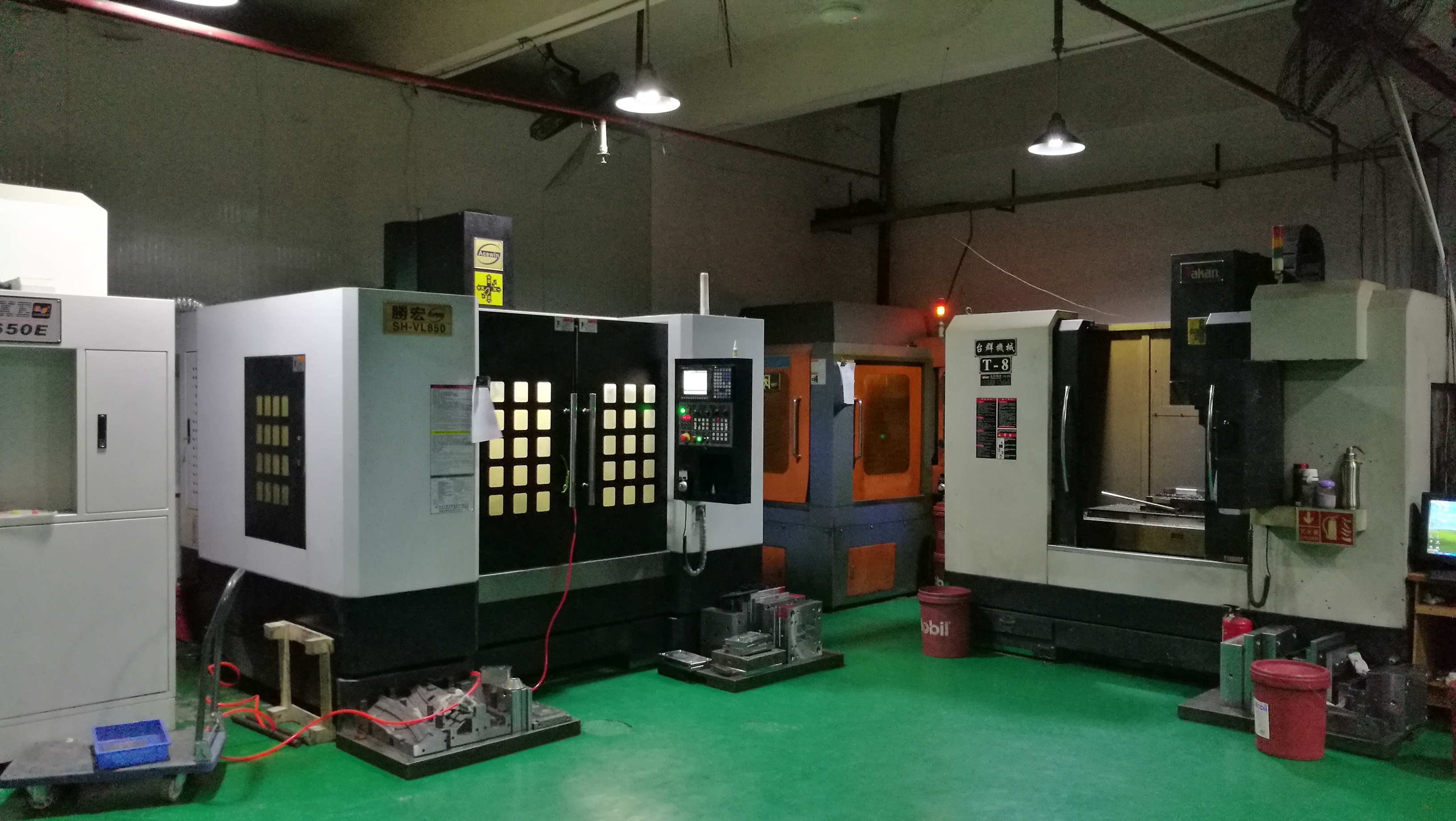
Stamping is still one of the most direct ways to turn flat stock into useful parts: a press and a die apply force to sheet, strip, tube, or profile, forcing plastic deformation or separation to hit the required shape and size. In the tool room, the conversation rarely stays on the textbook definition. We care about material utilization and die life, because those two factors decide whether a job is profitable. Take progressive die layout. The web or carrier width is not a guess. For mild steel, we typically run a web equal to 1.2 to 1.5 times the material thickness. For harder grades like stainless, that jumps to about 1.8 times. Go thinner and the strip lacks rigidity, the feeder starts drifting, and you get off-center hits, burrs, and premature punch wear. That is not a theory problem; it is a scrap-rate problem.
From a mold engineering standpoint, the split between forming and separation drives the whole die architecture. Blanking and piercing dies live or die by punch-to-die clearance. Too tight, and you chew up the cutting edges and risk galling on stainless. Too loose, and the fracture zone runs wild, leaving a heavy burr that costs you a secondary operation. For forming stations, springback control matters more than tonnage. Overbending the radius by a few degrees, adding a coin or stake feature, or running a bottoming step can hold the angle without a separate restrike die. Die materials follow the same logic. For high-volume stainless or high-strength low-alloy work, SKD-11 or powder metallurgy tool steels with TiCN or AlCrN coatings hold up far better than plain D2, especially when the strip is abrasive. Lubrication selection is not an afterthought either; a chlorinated or sulfurized EP additive can add tens of thousands of hits before edge breakdown.
None of this is exotic. It is the daily arithmetic of clearance, strip support, coating choice, and press setup. Get the web right, match the clearance to the material, and keep the cutting edges sharp, and the die runs. Get it wrong, and you spend the shift chasing slugs, shims, and scrap. For more mold sourcing and tooling supply information, visit MoldWorld at www.moldw.com.