Stamping Dies: From Single-Station to Progressive Applications
September 23, 2026
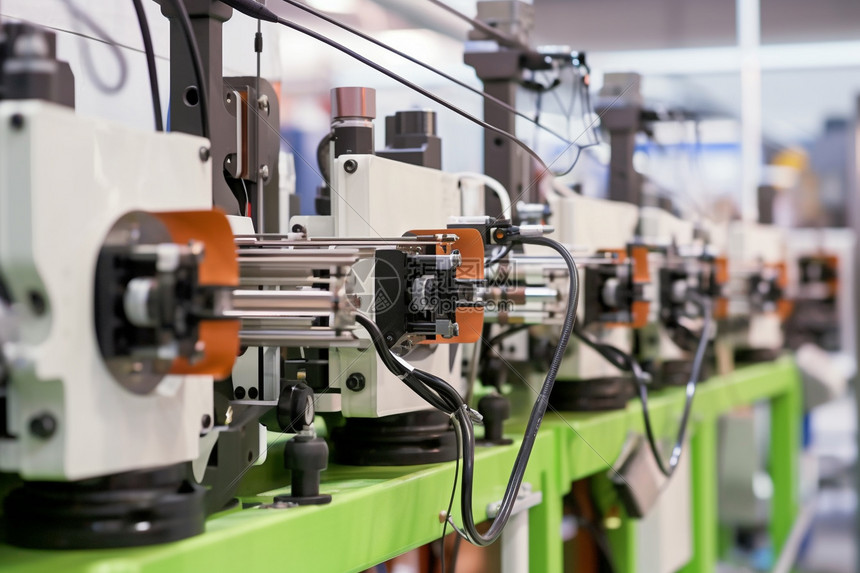
In stamping, die selection starts with how operations are grouped. Single-station dies complete one operation per press stroke—blanking, piercing, or bending—and remain the go-to for small-batch trial runs or simple geometries. Their simple construction keeps debugging fast and maintenance predictable. Compound dies take a different route: one station, but two or more operations per stroke, such as blank-and-pierce in a single hit. The punch-die nesting design is the heart of the tool, and concentricity tolerances are tight. Clearance is typically held at 5% to 8% of material thickness, a range that directly affects burr height and tool life.
Progressive dies represent the higher-volume end of the spectrum, carrying the strip through a sequence of stations where piercing, notching, forming, and parting happen in stages. The trade-off is clear: higher tooling cost and longer lead time, but cycle times that make sense once annual volumes climb. In practice, mold engineers weigh strip layout, piloting strategy, and slug control before committing to a progressive design—poor slug evacuation remains one of the most common causes of die damage on the floor.
For mold makers, the practical takeaway is matching die type to batch size, part complexity, and press capacity rather than defaulting to the most sophisticated option. A well-built single-station or compound die often outperforms an over-engineered progressive tool on short runs. For more mold sourcing information, visit MoldWorld at www.moldw.com.