Mold Basics Every Tooling Engineer Should Know
September 15, 2026
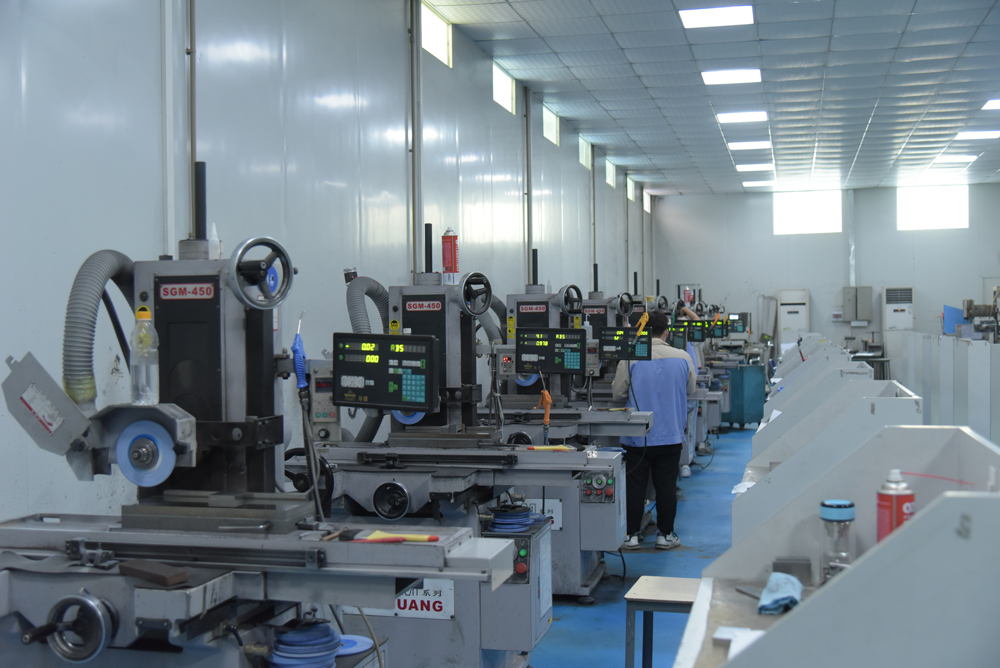
In our trade, a mold is never just a chunk of steel—it is the core process equipment that decides whether a part comes out within tolerance or becomes scrap. The main families are injection molds, stamping dies, and die-casting dies, each matched to a different forming method. Injection tooling handles thermoplastics and runs everything from a single-cavity prototype tool to a 64-cavity high-volume stack mold. Stamping dies cover blanking, bending, drawing, and progressive operations, where strip layout and die clearance directly affect burr height and dimensional repeatability. Die-casting dies take molten aluminum or zinc alloy and demand H13 or SKD61 inserts with well-designed cooling channels, because thermal fatigue is what kills a die long before mechanical wear does.
What really separates a good tool from a problematic one comes down to a few shop-floor details. Parting line placement, draft angle, gate location, and ejector layout are decided at the DFM stage, and once the steel is cut, changing them means welding, re-machining, or scrapping the insert. Cooling design is equally critical: a poorly balanced cooling circuit can add several seconds to cycle time and cause warpage that no amount of clamping pressure will fix. On the stamping side, we watch punch-to-die clearance closely—too tight and you get excessive wear and galling; too loose and the edge quality drops off fast. These are not theoretical points; they show up on the tryout press every time.
Mold life and maintenance planning matter just as much as the initial build. A well-maintained injection mold with hardened inserts can run hundreds of thousands of cycles, but only if the shop tracks wear on slides, leader pins, and hot-runner tips. The same goes for die-casting tooling, where preheating and spray lubrication extend insert life significantly. In short, understanding mold classification and forming methods is not academic—it is the difference between a stable production line and a constant firefighting situation. For more mold sourcing and supplier information, visit MoldWorld at www.moldw.com.