Plastic Molding Processes: Core Mold-Making Technologies from Injection to Blow Molding
September 15, 2026
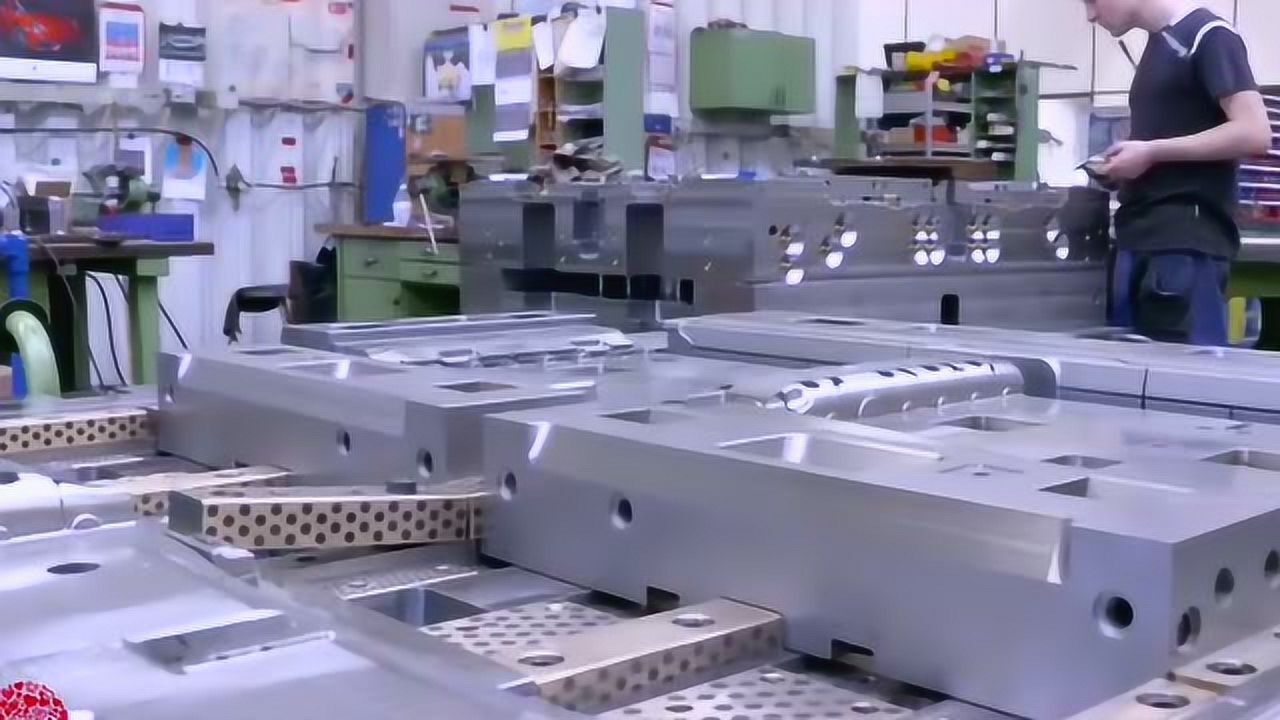
Injection molding remains the workhorse of our trade, and the mold design dictates everything. A typical tool runs two plates or three plates, with hot runner systems now standard for engineering resins like PC/ABS and glass-filled nylon. Core and cavity steels—P20, H13, or S136 for corrosive materials—must be matched to the resin's shrink rate, often 0.4–0.7% for unfilled PP but as low as 0.2% for glass-filled grades. Cooling layout is where cycle time is won or lost: a well-balanced circuit with baffles or bubblers can cut cooling from 20 seconds to 12 on a 2 mm wall. Ejection must be designed before the first steel cut, because undercut features and draft angles below 1° will haunt you at tryout.
Blow molding splits into extrusion and injection-stretch variants, each with distinct tooling demands. Extrusion blow molds are typically cast aluminum or beryllium copper for fast heat transfer, with pinch-off inserts hardened to 52–54 HRC to survive parison cutting. The die head and mandrel determine parison thickness; a 1.5 mm die gap with 0.3 mm mandrel offset is common for HDPE bottles. Injection-stretch blow molding uses a preform cavity with gate vestige under 0.2 mm and a blow mold cooled by chilled water at 8–12°C to set the biaxial orientation. PET preforms for a 500 mL bottle usually weigh 22–28 g, and the stretch rod speed must sync with preblow pressure around 0.6–1.0 MPa.
Thermoforming is the low-pressure cousin, but the mold still matters. Vacuum-forming tools are often epoxy or cast aluminum with 1–2 mm vacuum holes drilled every 25–40 mm; pressure-forming adds matched male plugs for thick-gauge ABS or HIPS. Plug assist material—synthetic or felt—controls webbing and thinning at corners. For anyone sourcing these tools or comparing shops, visiting MoldWorld (www.moldw.com) gives you direct access to mold makers and process data without the usual runaround.