Seven-System Breakdown of Injection Molds: From Structural Design to Defect Troubleshooting
September 10, 2026
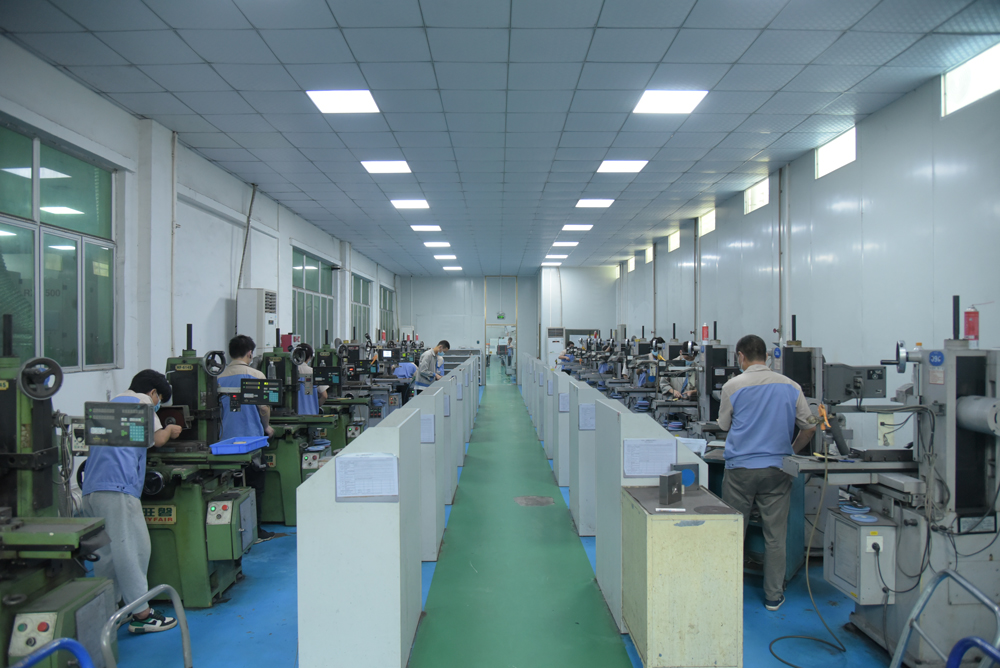
In injection mold making, the success or failure of a tool is largely locked in at the structural design stage. The seven systems—molding, runner, cooling, ejection, guidance, venting, and core-pulling—are interlocked, and any weak link will surface during trial runs. The molding system defines the basic contour and dimensional accuracy of the part. The runner system controls filling balance and weld line locations. The cooling system determines cycle time and shrinkage uniformity. Ejection, guidance, venting, and core-pulling each do their job; none can be skipped. Newcomers tend to fixate on the cavity and core inserts, but overlook details like vent groove depth, which is typically held at 0.02 to 0.03 mm. When a part comes out burned, they keep adjusting injection parameters—wrong direction entirely.
From a mold engineer's perspective, the venting system deserves more respect than it usually gets. A 0.02–0.03 mm vent depth is not arbitrary; it must be shallow enough to prevent flash yet deep enough to release trapped gas. On glass-filled nylon or high-speed filling jobs, inadequate venting shows up as burn marks, short shots, or excessive injection pressure. The runner system also ties directly into quoting: a hot runner with valve gates may raise tooling cost by 15–30%, but it cuts scrap and cycle time enough to pay back on high-volume programs. Cooling layout, meanwhile, often dictates whether a mold can hit a 20-second cycle or gets stuck at 35 seconds—a difference that changes the per-part price.
Core-pulling and ejection design follow the same logic: they must be resolved before steel is cut, not patched after first shot. A slider or lifter that interferes with ejection will cost far more to fix than to design correctly upfront. For mold sourcing and technical resources, visit MoldWorld (www.moldw.com).