Stamping Process Essentials: From Plastic Deformation to Die Design
September 10, 2026
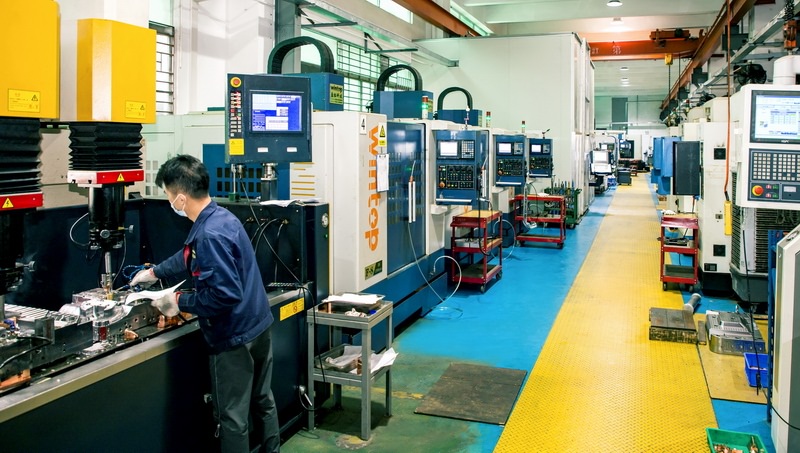
Stamping is fundamentally about using a press and die to apply external force to sheet, strip, tube, or profile material, causing plastic deformation or separation to achieve the required shape and dimensions. On the shop floor, this process comes down to two core tasks: making the material deform obediently, and ensuring it separates cleanly where it should. Blanking, bending, drawing, and forming all follow this same logic. From a mold engineer's perspective, whether stamped parts can be shipped stably depends half on die design and half on on-site machine adjustment—neither can be neglected. In die design, this means carefully calculating punch-die clearance, choosing the right die material and heat treatment, and planning the strip layout to minimize waste. On the press side, it means dialing in tonnage, shut height, and cushion pressure so the material flows predictably rather than tearing or wrinkling.
In practice, the material's yield strength, elongation, and thickness tolerance directly affect whether a die will run smoothly. For example, a clearance that's too tight accelerates die wear and can cause secondary shear; too loose, and you get excessive burrs and poor edge quality. Bending requires accounting for springback—often compensated by over-bending or adding a bottoming step in the die. Drawing operations demand proper blank holder force and lubrication to avoid wrinkling or fracture. These are not theoretical concerns; they show up as scrap rate, die maintenance frequency, and press downtime. A well-designed die still needs a skilled technician to fine-tune the process window, especially when material batches vary.
For mold sourcing professionals, understanding these stamping fundamentals helps evaluate suppliers more effectively. When requesting quotes, ask about die material specifications, expected die life, and whether the supplier has in-house tryout capabilities. A die shop that tracks clearance values and springback compensation data is usually more reliable than one that only quotes a price per part. For more mold sourcing information and supplier resources, visit MoldWorld at www.moldw.com.