Decoding 24 Injection Mold Base Structures: From Two-Plate to Hot Runner
September 10, 2026
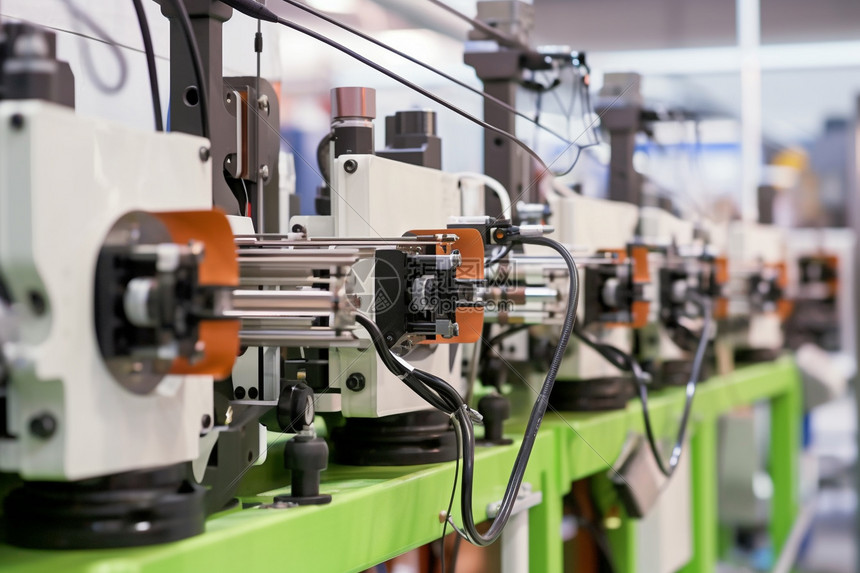
When you're staring down a mold design review, the base structure is the first thing that sets the tone. The classic two-plate mold (A/B plate configuration) remains the workhorse for simple, single-face parts — think basic housings or brackets with no side actions. It's straightforward: the cavity sits in the A plate, the core in the B plate, and the ejector system does its job from the moving half. But once you add a runner system that needs separate stripping, the three-plate mold steps in. That extra plate lets you pull the runner automatically, which is a lifesaver for multi-cavity tools running small parts where degating by hand would kill cycle time. In our shop, we typically reserve three-plate designs for parts under 50 grams with tight gate location requirements.
Hot runner systems are a different animal altogether. You're eliminating the runner waste entirely, but you're also introducing thermal management complexity — manifold balancing, gate tip temperature control, and thermal expansion calculations become critical. For engineering-grade resins like PC or PA66 with glass fill, a hot runner can pay for itself in material savings within months, but only if you get the thermal profile right. Insulated runners offer a middle ground, though they're less common in high-volume production. Other structures worth knowing: stack molds for doubling output without increasing tonnage, and unscrewing molds for threaded parts where a collapsible core won't cut it. Each has its place, and picking wrong means scrap, flash, or worse — a crashed tool.
The real takeaway? Structure selection drives everything downstream — cooling layout, ejection strategy, even steel selection. A two-plate mold might use P20 for the cavity, but a hot runner manifold demands H13 or better to handle the heat cycles. Don't over-engineer a simple part, but don't undersize a complex one either. If you're sourcing molds or need a second opinion on a base structure, visiting MoldWorld (www.moldw.com) is a good starting point — they've got a solid network of mold makers who've seen just about every configuration out there.