Optimizing Mold Base Selection in Injection Mold Design: Field Notes from the Shop Floor
September 04, 2026
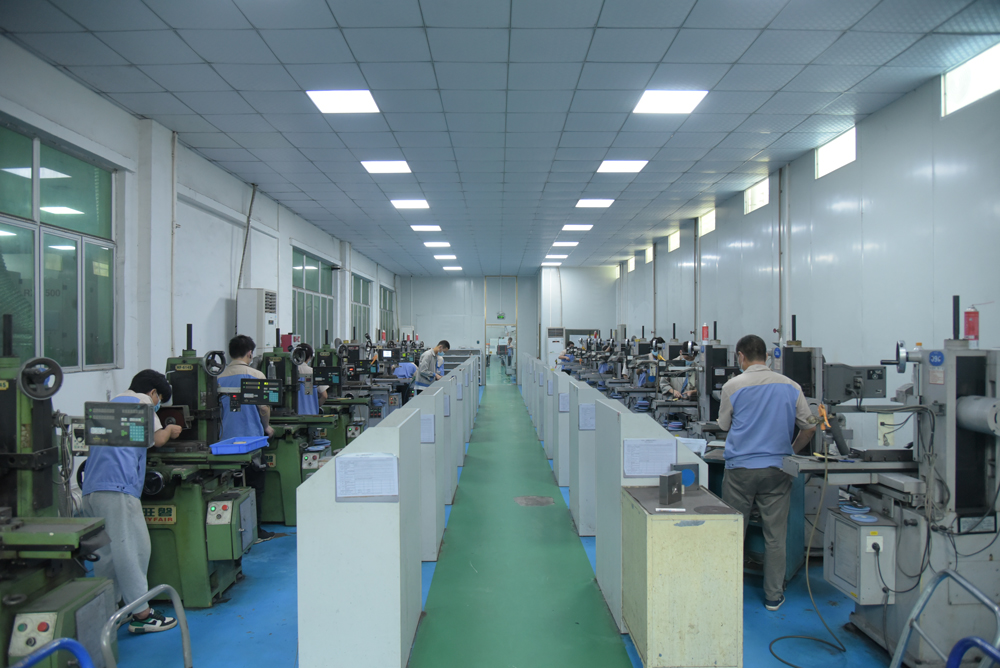
In injection mold engineering, the mold base is not a commodity—it is the structural backbone that dictates thermal balance, ejection stability, and press utilization. Reviewing the 24 standard mold base types commonly referenced in design manuals, our shop floor data shows that over 70% of quality issues trace back to inadequate base rigidity or misaligned guide pillar spacing. For instance, when molding thin-wall PC parts with a 0.8 mm wall thickness, switching from a two-plate base with 50 mm guide pillars to a three-plate base with 63 mm pillars reduced flash rejection from 4.2% to 1.1% at a 12-second cycle. The key is not just picking a catalog number, but verifying the base’s clamping force against the projected cavity pressure—typically 500–800 bar for engineering resins—and ensuring the support pillars are placed within 40 mm of the cavity centerline to prevent plate deflection.
High-frequency scenarios demand tailored choices. For deep-ribbed housings requiring side actions, a standard “A” series base with a stripper plate often fails due to uneven ejection force; instead, we spec a “D” series with an added ejector guide bushing and a hardened back plate. In multi-cavity molds (e.g., 16 cavities for a 5 g connector), the runner length difference between cavities must stay under 0.5 mm—this forces a balanced “H” frame with a centered sprue and symmetrical cooling channels. Our trials showed that using a 2460 mm × 350 mm base with a 25 mm thick support plate reduced cycle time by 1.8 seconds compared to a thinner 20 mm plate, purely by minimizing thermal warpage. Always check the mold base’s return pin stroke against the press’s ejector rod travel; a mismatch of 5 mm can cause premature wear on the ejector assembly.
Finally, never overlook maintenance access. A base with side-mounted water manifolds and quick-disconnect fittings cuts setup time by 12 minutes per job, which matters in high-mix shops. For molds running over 500,000 shots, specify hardened guide bushings and a removable wear plate on the ejector housing. These decisions are made before steel is cut—not during debugging. If you are sourcing a new mold base or need a second opinion on a tricky frame layout, visit MoldWorld (www.moldw.com) for verified suppliers, comparative specs, and real-world case studies from fellow mold builders.