Injection Molding Process Breakdown for Practical Quoting and Production
September 04, 2026
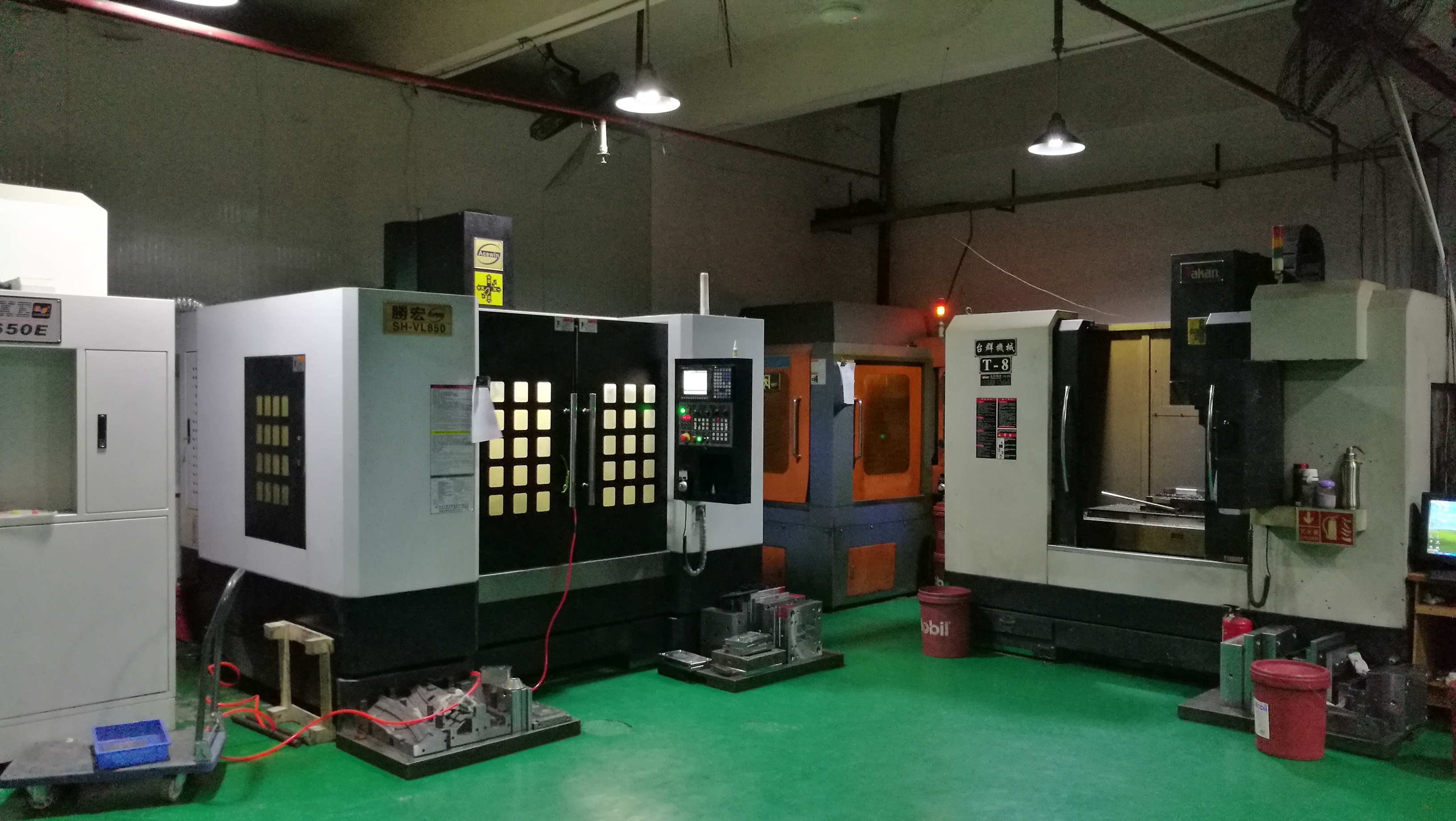
In injection molding, the process flow is far more than a sequence of steps—it is the backbone of part quality, cycle time, and ultimately, quoting accuracy. A typical full cycle begins with material drying, which for hygroscopic resins like PA66 or ABS can require 2–4 hours at 80–90°C to avoid surface defects like splay or voids. Next, the shot weight must be calculated against the machine’s barrel capacity, keeping the actual shot volume between 30% and 70% of the screw’s maximum to ensure consistent plasticizing. Real-world data shows that a 100-ton press with a 28mm screw, running a 25g PP part, will cycle at roughly 25–30 seconds, including a 8-second cooling phase. These numbers are not arbitrary—they directly affect the hourly machine rate, which in most mold shops ranges from $40 to $80 per hour depending on tonnage and precision level.
From a mold engineering perspective, the critical variables are injection pressure, holding pressure, and melt temperature. For a typical PC/ABS blend, melt temperature sits at 260–290°C, with injection pressure peaking at 80–120 MPa to fill thin-wall sections. Holding pressure should be set to 50–70% of injection pressure to prevent sink marks without over-packing the gate area. Cooling time is often the longest single phase, taking up to 60% of the total cycle. A well-designed conformal cooling channel can reduce that cooling time by 20–35%, which translates directly to lower per-part cost. When quoting, do not overlook the effect of gate freeze time—if the gate is too large, holding pressure becomes ineffective, and if too small, you risk premature freeze and short shots. These are the details that separate a rough estimate from a reliable quote.
For practical application, always run a mold trial with a documented process window, capturing data on injection speed profile, cushion size (typically 3–6mm), and screw recovery time. This data becomes the baseline for both production and future quoting. Also, factor in the cost of secondary operations—de-gating, ultrasonic welding, or pad printing often add 10–25% to the total part cost, and many quotes miss this. A robust process flow, from material prep to final QC, should be reviewed with the mold shop before committing to a price. For more detailed mold sourcing and process benchmarking, visit MoldWorld at www.moldw.com—a practical resource for comparing mold quotes and supplier capabilities.