Cost Control in Mold Manufacturing: Rethinking Overhead Through the Lens of Debt Cost Logic
September 04, 2026
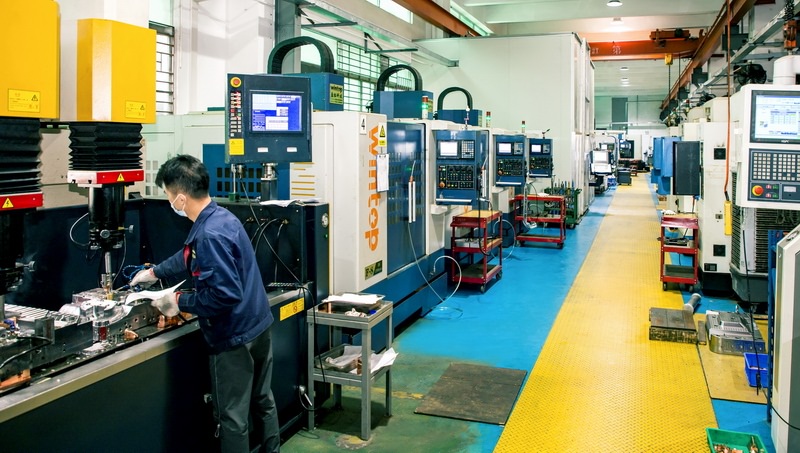
In mold manufacturing, the pressure to cut costs while maintaining precision is relentless. Most shops focus on direct material and labor costs, but the real leakage often sits in overhead—what we call the “liability cost” of production. Just as a company pays interest on borrowed capital, every hour of machine downtime, every idle CNC spindle, and every delayed heat-treatment batch carries an implicit carrying cost. For a typical 50-employee mold shop with 20 active machines, unplanned idle time of just 8% translates to roughly 1,600 lost machine-hours per year. At an average shop rate of $85/hour, that’s over $136,000 in absorbed overhead—money that could otherwise fund new inserts or EDM consumables.
To address this, mold engineers should adopt a “debt-service” mindset for manufacturing expenses. Instead of treating overhead as a fixed burden, break it down into variable, controllable components: setup time, tool-path inefficiency, electrode wear, and die-spotting rework. For instance, optimizing electrode design with conformal cooling can cut EDM roughing time by 15–20%, directly reducing the “interest” paid on each machining cycle. Similarly, standardizing mold base plates and using pre-hardened P20 or H13 with known shrinkage rates lowers trial-and-error costs. One practical rule: if a process step does not add measurable value to the cavity geometry or surface finish, treat it as debt—eliminate, outsource, or automate it. Real-world data from progressive die shops shows that switching to high-feed milling for roughing reduces cycle time by 30% and extends tool life by 25%, slashing per-part overhead.
Finally, integrate this logic into your quoting process. When estimating a new mold, calculate not just the direct hours, but also the overhead “interest” from expected rework rates (typically 5–10% for complex molds) and machine changeover delays. Build a buffer that reflects your actual shop floor efficiency, not an ideal standard. This prevents underquoting that erodes margins and overquoting that loses orders. By tracking these overhead costs monthly—much like monitoring loan payments—you can spot trends early and adjust scheduling or tooling strategies. For more practical tips on mold cost management and sourcing, visit MoldWorld (www.moldw.com), where die and mold professionals share real-world benchmarks and supplier insights.