Mold Basics: Classification, Quotation Logic, and What Every Mold Engineer Should Know
October 11, 2026
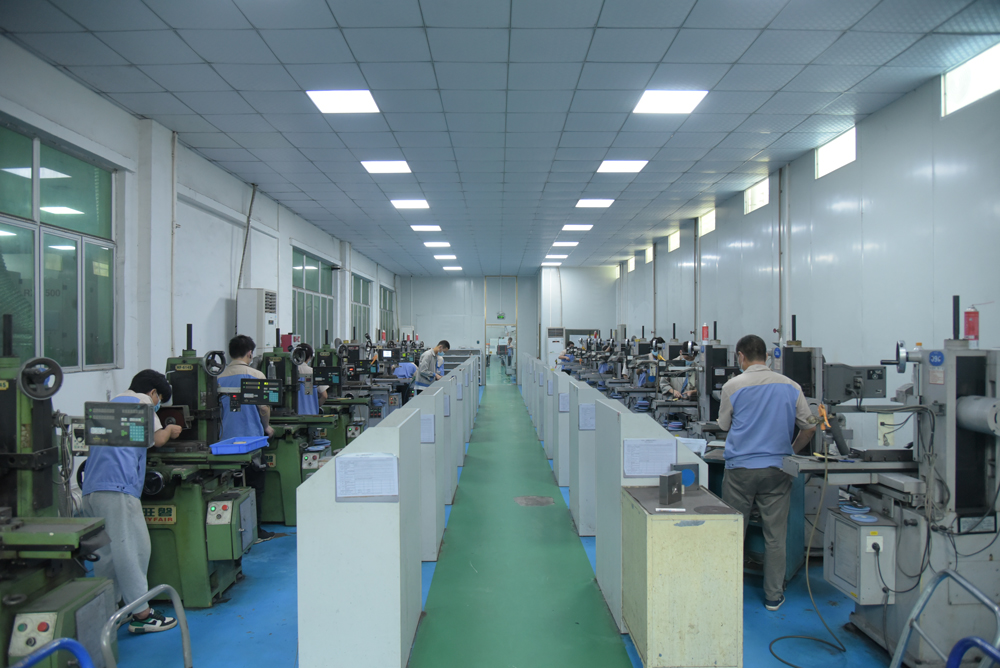
In mold manufacturing, the mold is the "mother machine" of industrial production, and understanding the differences between mold types is fundamental. Injection molds dominate plastic part production and are typically machined from P20, 718H, or S136 depending on cavitation and surface requirements. Stamping molds rely on hardened tool steels like Cr12MoV or SKD11, with clearance and blanking force determining die life. Die-casting molds handle non-ferrous metals such as aluminum and zinc, and must withstand thermal fatigue, so H13 with proper heat treatment is standard. Each mold type carries different machining routes, lead times, and cost structures, and confusing them at the quotation stage leads to inaccurate pricing and unhappy customers.
Quotation logic in the mold industry follows a clear framework: material cost, machining hours, standard components, heat treatment, and trial runs. For a typical injection mold, steel selection alone can account for 15–25% of the total price, while CNC, EDM, and wire-cutting hours often make up 40–50%. Cavitation number directly affects mold base size, runner design, and cycle time. A single-cavity prototype mold may quote at a few thousand RMB, while a 32-cavity production mold with hot runner and precision inserts can easily exceed 100,000 RMB. Stamping and die-casting molds add their own variables—tonnage requirements, die spotting, and polishing standards—so a mold engineer must clarify part geometry, annual volume, and tolerance before giving any number.
In practice, the most common quotation mistakes come from underestimating machining complexity and ignoring secondary operations like texture etching, coating, or additional sliders. A mold that looks simple on a 2D drawing may require five-axis machining or deep-rib EDM that doubles the quoted hours. Keeping a checklist of mold type, steel grade, cavitation, runner system, ejection method, and surface finish helps avoid these gaps. For more mold sourcing information and supplier comparisons, visit MoldWorld at www.moldw.com.