Five Mainstream Plastic Molding Processes: A Mold Engineer's Field Notes
October 09, 2026
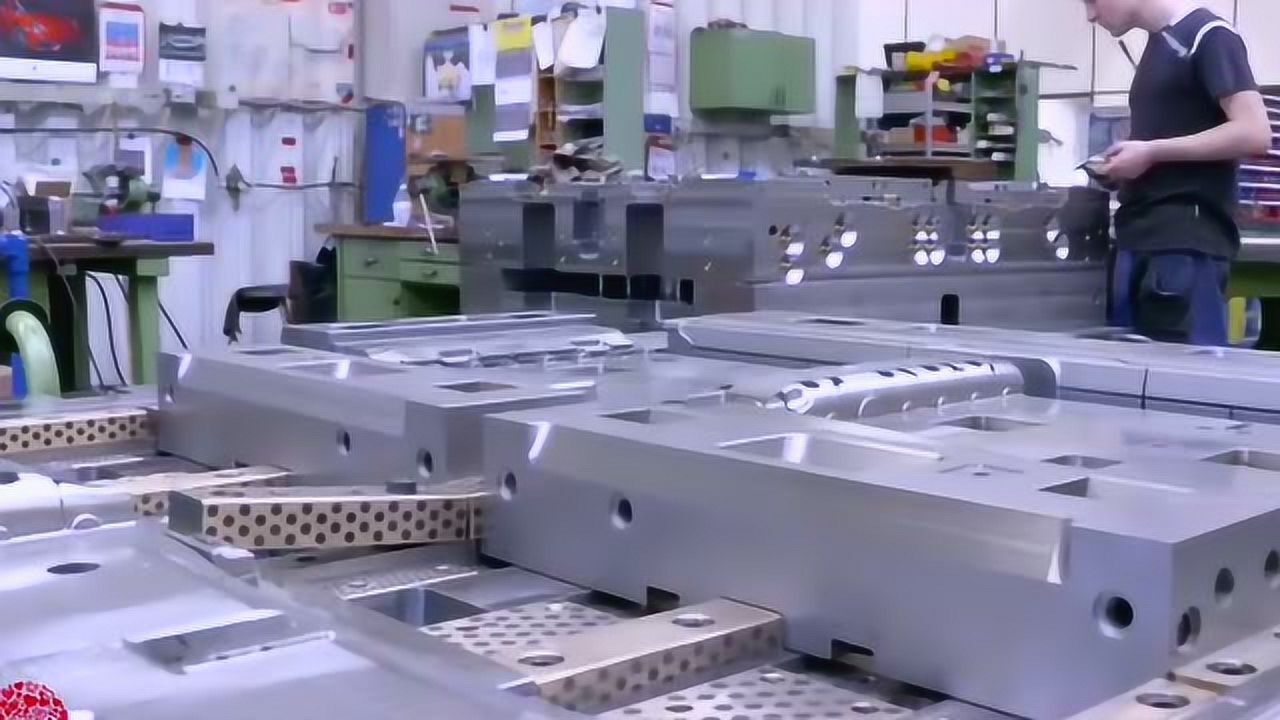
In the mold shop, we often say the process decides the mold. Injection molding dominates for a reason: it handles complex geometries, tight tolerances, and high-volume runs, with cycle times often measured in seconds. The tooling cost is higher because you need a robust runner system, cooling layout, and ejection design, but for parts like housings, connectors, and precision components, it is usually the most economical route at scale. Compression molding is the workhorse for thermosets and rubber-like materials. It uses a simpler mold, often without a runner, and works well for large, thick parts where flow length is short and material cost matters. Extrusion is continuous, not cyclic. The die is the critical tooling here, and we focus on die land length, drawdown, and cooling calibration rather than cavity layout. It is the go-to for profiles, pipe, sheet, and film.
Transfer molding sits between injection and compression. The material is heated in a transfer pot and pushed into the cavity, which gives better dimensional control than compression for intricate thermoset parts, though it generates more scrap in the cull and runner. Blow molding is all about hollow parts. Extrusion blow molding is common for bottles and containers, while injection blow molding gives better neck finish and wall thickness control for medical and cosmetic packaging. In each case, the mold engineer must match steel selection, shrinkage allowance, and venting to the process. For example, injection molds often use P20 or H13 depending on abrasiveness, while blow molds may use aluminum or beryllium copper for faster cooling. The key is not to force a process into a mold design that fights it.
From a practical standpoint, start with part geometry, annual volume, material, and tolerance. If you need high output and complex features, injection wins. If you are running a large, thick thermoset part, compression or transfer may be better. For continuous lengths, extrusion is the only sensible choice. And for hollow shapes, blow molding keeps tooling and cycle costs in check. No single process is best for everything. The mold engineer's job is to pick the one that keeps the mold simple, the cycle stable, and the part within spec. For more mold sourcing and process selection resources, visit MoldWorld at www.moldw.com.