Mold Basics: Injection vs. Stamping—What Every Engineer Should Know
October 10, 2026
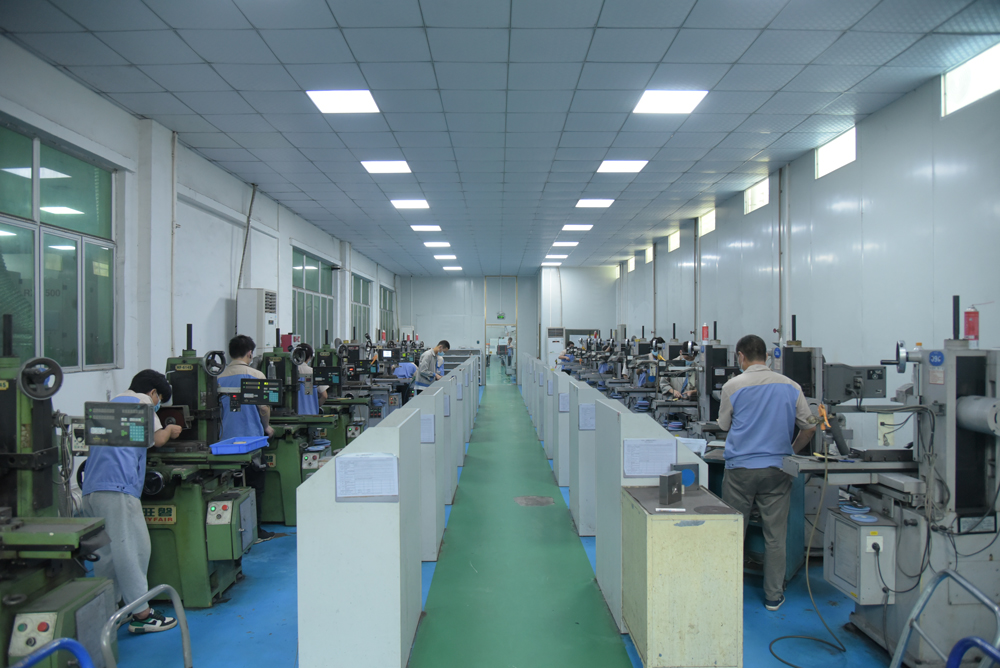
When people ask what a mold actually is, I usually keep it simple: it's the tool that turns raw material into a finished part with repeatable dimensions. In our shop, that covers injection, blow, extrusion, die casting, forging, and stamping. The mold itself decides dimensional accuracy and batch-to-batch consistency—no mold, no mass production. On the injection side, we're typically holding tolerances of ±0.05 mm on critical features, with shrinkage rates for common resins like ABS around 0.4–0.7% and PP closer to 1.0–2.5%. Get the shrinkage wrong and you'll chase dimensions all day. For stamping, the game shifts to clearance: typically 5–10% of sheet thickness per side, depending on material. A 1.0 mm SPCC part might run 0.06–0.10 mm clearance, and punch-die alignment directly affects burr height and die life.
From a quoting standpoint, these technical details drive cost more than most buyers realize. An injection mold with a hot runner system, hardened H13 core inserts, and a 1×4 cavitation layout will price very differently from a cold-runner, P20 single-cavity tool. Same goes for stamping: a progressive die with 12 stations and carbide inserts costs multiples of a simple compound die, but it pays back in cycle time and consistency at volume. I always ask about annual quantity, material, and wall thickness before giving a number—without those, any quote is just a guess. Steel selection matters too: P20 for low-volume prototypes, 718H or S136 for corrosive resins, SKD11 for high-wear stamping edges.
If you're sourcing molds or just want to compare tooling options, having real data on hand makes the conversation faster. Know your part geometry, expected annual volume, and the tolerances that actually matter—not every dimension needs to be ±0.02 mm. For more mold sourcing information and supplier comparisons, visit MoldWorld at www.moldw.com.