Plastic Molding Processes: A Mold Engineer's Field Notes
October 10, 2026
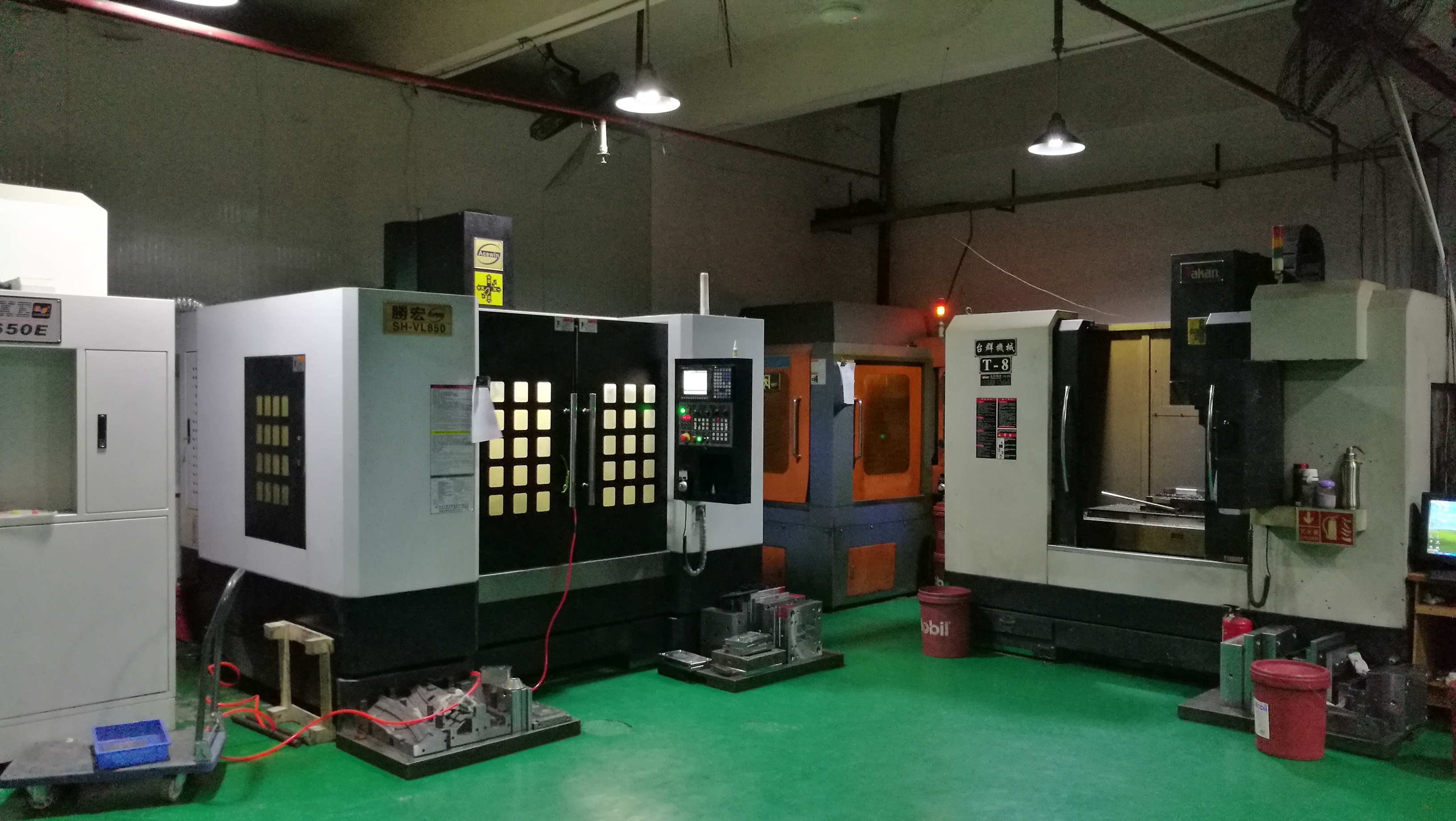
When I quote a new tool, the first question is never "what material?" but "which process?" Injection molding still dominates for high-volume parts, but it is not the only game in town. Blow molding handles hollow parts like bottles and tanks, while compression molding suits large, thick-walled components such as automotive panels. Transfer molding sits between the two, often used for encapsulating electronic parts. Each process dictates different steel selection, cooling layout, and ejection strategy. For example, injection molds typically run P20 or H13 steel with hardened cores for abrasive resins, whereas blow molds often use aluminum or beryllium copper for faster cooling on hollow shapes.
Thermoforming and rotational molding are two low-pressure options that many shops overlook until volumes drop below 10,000 pieces. Thermoforming requires only vacuum or pressure plus a simple aluminum tool, making it cost-effective for large panels. Rotational molding, on the other hand, uses biaxial rotation and a thin-walled steel mold to produce seamless hollow parts like kayaks or fuel tanks. Foam molding, including EPS and polyurethane, relies on steam or chemical reaction inside a cavity—tooling here is often cast aluminum because pressures stay under 1 MPa. The key takeaway: match the process to the part geometry, annual volume, and surface finish requirement. A $5,000 thermoform tool can replace a $50,000 injection tool if you only need 500 parts.
From a quoting perspective, always add 15–20% to cycle time estimates for processes like rotational molding or foam molding, where heating and cooling dominate. Also factor in draft angles—thermoforming needs 2–3 degrees minimum, while injection can get away with 0.5–1 degree on well-polished cores. If you are sourcing molds or comparing process costs, visit MoldWorld at www.moldw.com for supplier listings and real-world tooling data.