A Mold Engineer's Guide to 23 Plastic Forming Processes: From Injection to Foaming
October 09, 2026
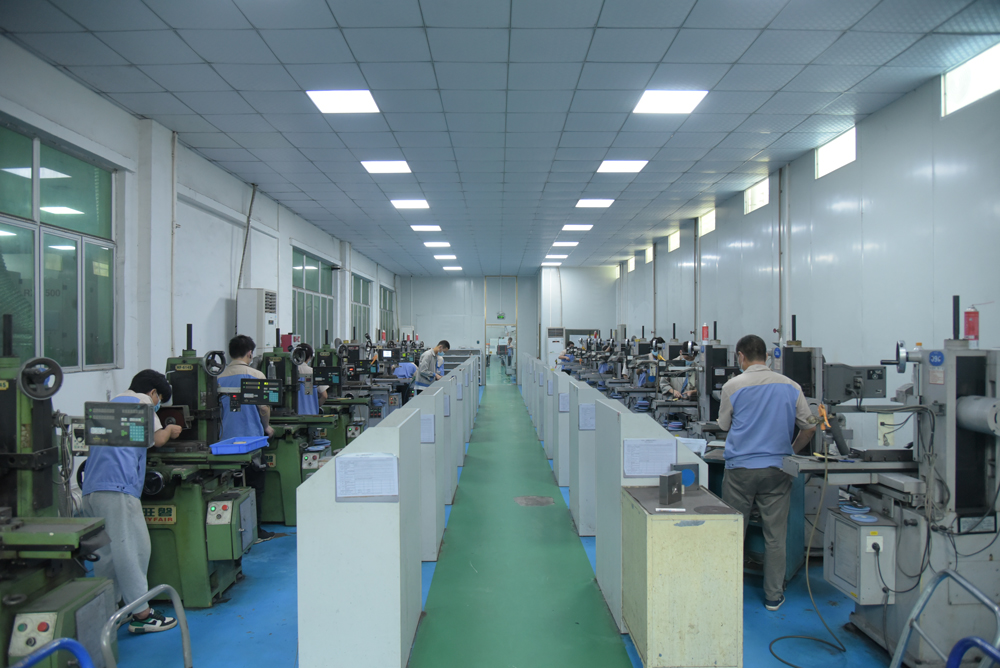
When you're quoting a mold, the first question isn't steel price—it's which process the part actually needs. Injection molding still dominates for tight-tolerance, high-volume parts, typically running melt temperatures of 200–300°C and cavity pressures of 30–100 MPa. But extrusion, blow molding, thermoforming, and calendering each demand different tooling logic. Extrusion dies rely on streamlined flow channels and uniform die land lengths to avoid melt fracture; blow molding molds need pinch-off edges and cooling channels sized for cycle times often under 30 seconds. Thermoforming tools are usually aluminum with vacuum holes around 0.5–1.0 mm, because you're shaping a pre-heated sheet, not injecting melt.
On the shop floor, the real cost drivers are cooling, ejection, and material shrinkage. For injection molds, a 1°C improvement in cooling efficiency can cut cycle time by 2–3%. Blow molding molds often use beryllium copper inserts at pinch-offs to pull heat faster. Foaming processes—whether EPS or structural foam—require venting and surface finishes that prevent gas entrapment. I've seen a 23-process comparison table where each method's mold material, draft angle, and shrinkage rate were listed side by side. That's the kind of data you want before quoting: for example, PP shrinkage at 1.5–2.5%, ABS at 0.4–0.7%, and thermoforming draft angles of at least 3–5 degrees.
Don't treat these 23 processes as academic. If you're sourcing a mold, match the process to the part geometry, annual volume, and cosmetic requirements first. Then verify the mold design details—gating, venting, cooling layout—against the resin supplier's shrinkage data. For more mold sourcing information and process comparisons, visit MoldWorld at www.moldw.com.