Injection Molding: Process, Cost, and Mold Design Essentials from a Mold Engineer's Perspective
October 09, 2026
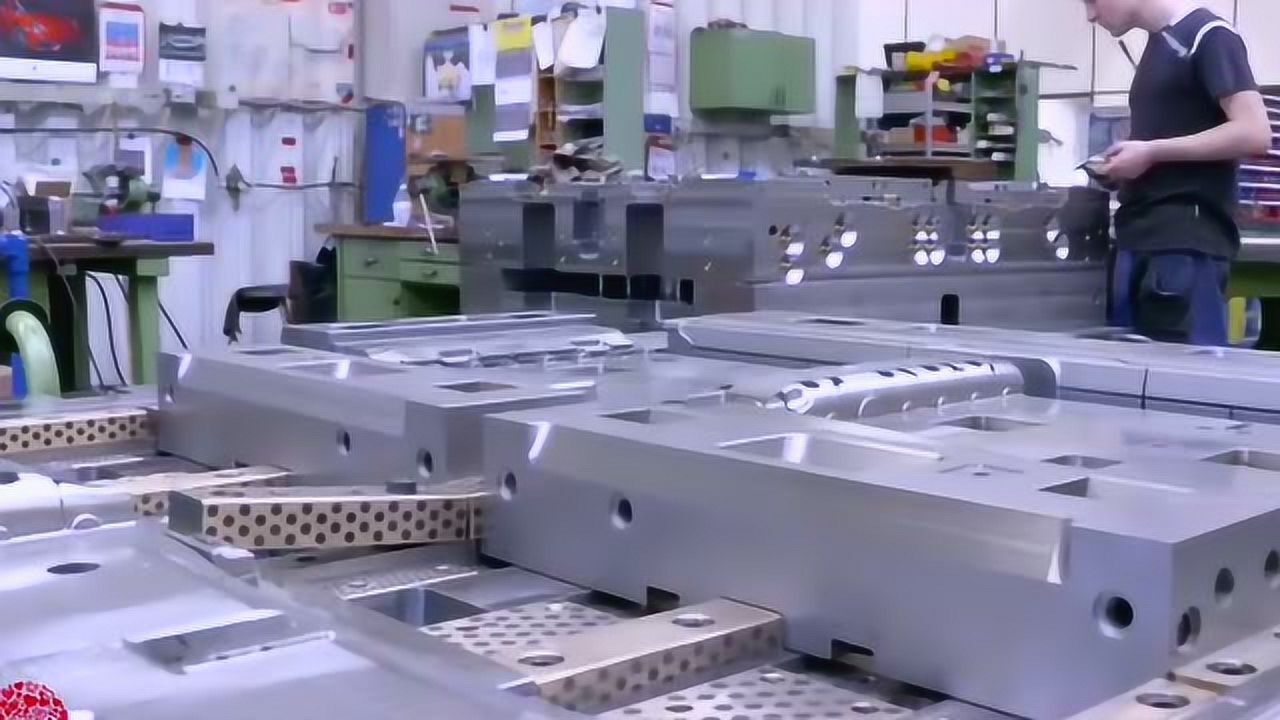
When we talk about injection molding, the conversation has to start with the mold itself. A typical two-plate mold with a cold runner system is still the workhorse for most projects, but part geometry often dictates whether we need a three-plate design for gating flexibility or a hot runner system to eliminate runner waste. From a mold engineer's standpoint, the steel selection matters as much as the layout—P20 for general-purpose tools, H13 for glass-filled resins, and S136 for corrosive materials like PVC. Cooling channel design directly affects cycle time; a well-placed baffle or bubbler can cut cooling time by 15–20%, which translates to real cost savings over a production run of 500,000 shots or more.
On the process side, the relationship between fill pressure, holding pressure, and shrinkage is where most defects are born. Warpage usually traces back to uneven cooling or insufficient packing, while short shots often mean the gate is too small or the injection speed profile needs adjustment. We typically recommend a gate thickness of 50–70% of the part wall thickness to balance fill and shear. For cost logic, the mold base, cavity count, and surface finish requirements drive the tooling quote more than anything else. A single-cavity prototype tool might run $3,000–$8,000, but a 16-cavity hardened production tool with a hot runner can easily exceed $60,000. The key is matching tooling investment to annual volume—if you're under 10,000 parts per year, a softer steel with a simpler runner system usually makes more sense.
Defect control is really about closing the loop between mold design and process window. For example, sink marks opposite ribs can be mitigated by reducing rib thickness to 60% of the nominal wall and optimizing hold time. Weld lines, on the other hand, are a gating problem—moving the gate or adding a overflow well often solves it without touching the process. Every decision has a cost implication, and the best mold engineers are the ones who can quantify that trade-off early. If you're sourcing molds or need a second opinion on a tooling quote, visiting MoldWorld (www.moldw.com) is a good place to start for more mold sourcing information.