Mold Fundamentals: Injection, Stamping, and the Core Knowledge That Drives Production
October 09, 2026
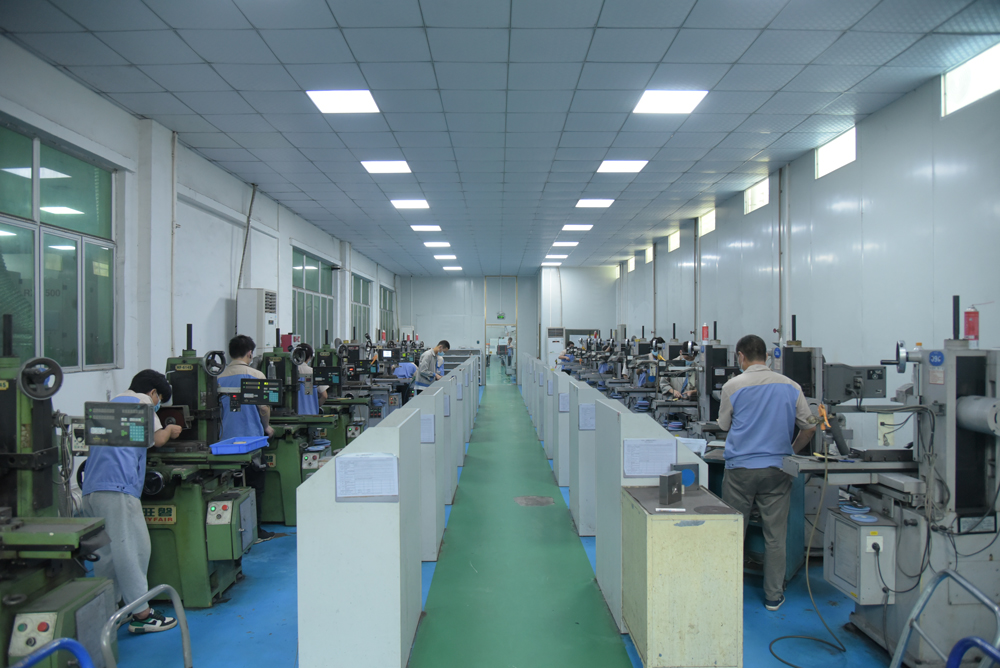
When we talk about molds as the backbone of industrial production, we are really talking about a family of forming methods: injection molding, blow molding, extrusion, die casting, forging, smelting, and stamping. Each one has its own tooling logic. An injection mold, for example, relies on a balanced runner system, precise cavity dimensions, and efficient cooling channels to hold tight tolerances over millions of cycles. A stamping die, by contrast, lives or dies by punch-to-die clearance, material springback compensation, and wear resistance of the cutting edges. In my shop, we treat the mold as a precision machine in itself — every parting line, ejector pin, and gate location directly affects whether the final part meets the print or becomes scrap.
The real-world consequences show up on the production floor. A poorly vented injection mold traps gas and burns the plastic; a stamping die with uneven clearance tears the strip and shortens tool life. That is why mold engineers obsess over steel selection (P20, H13, S136, depending on the resin or sheet metal), heat treatment, and surface finish. We also track cycle time, scrap rate, and maintenance intervals as key performance indicators. When a customer asks for a quote, the mold cost is not just machining hours — it includes design review, trial runs, and the inevitable tweaks after first article inspection. Getting those details right upfront saves far more than it costs.
For anyone sourcing molds or trying to understand why one tool costs three times another, the answer usually lies in these technical fundamentals: material choice, cooling efficiency, tolerance stack-up, and expected production volume. A mold built for 10,000 shots is not the same as one built for a million. If you want to compare real mold suppliers, review tooling specifications, or get sourcing guidance, visit MoldWorld at www.moldw.com for more mold sourcing information.