Injection Molding Parameter Tuning: A Mold Engineer's Guide to Speed, Temperature, Packing, and Cooling
October 08, 2026
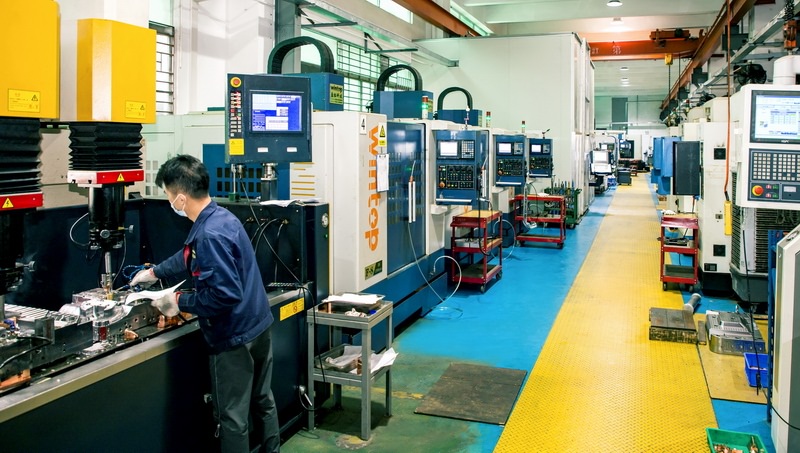
When we talk about injection molding process optimization, the first thing on the floor is usually injection speed. It's not just about filling fast; it's about filling consistently. For a typical ABS part with a 2 mm wall, I start with a multi-stage profile: slow injection at 20–30% until the melt passes the gate, then ramp to 60–80% for the main fill, and drop to 10–15% near the end to avoid flashing and reduce molecular orientation. Melt temperature for ABS usually sits between 230–260°C, but if you see silver streaks or poor weld line strength, bump it up 10°C before touching the speed profile. The mold itself matters too—a hot runner with a balanced gate design will respond much more predictably than a cold runner with uneven flow paths.
Packing pressure and cooling time are where most shops leave money on the table. Packing should be set as a percentage of injection pressure—typically 50–70%—and held until the gate seals. For a 3 mm thick polypropylene part, that's often 3–5 seconds. Cooling time, on the other hand, follows the rule of thumb: 1 second per 0.5 mm of wall thickness for semi-crystalline materials, but add 20–30% if your mold has poor cooling channel placement or uses a low-conductivity steel like P20. I've seen cycle times drop by 15% just by switching to beryllium copper inserts in the core block. Watch for warpage or sink marks—those are your clues that cooling is uneven or packing is too low.
At the end of the day, parameter tuning is a loop: set, measure, adjust, and repeat. Keep a log of your speed profiles, temperatures, and pack times for each mold, because what works for one part geometry rarely transfers directly to another. If you're sourcing new molds or need a second opinion on a tricky tool, it helps to compare notes with other engineers. For mold sourcing and technical resources, visit MoldWorld at www.moldw.com.