Injection Molding from Mold Structure to Parameter Tuning: Practical Notes from the Shop Floor
October 08, 2026
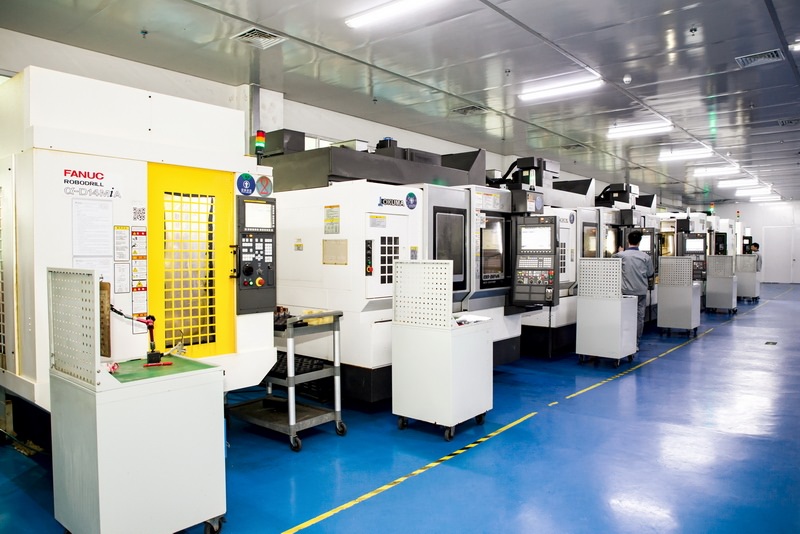
When you open a mold drawing, the first thing to settle is structure. In day-to-day production we mostly deal with four types: two-plate, three-plate, hot runner, and slider/lifter-equipped molds. A two-plate mold is the workhorse for simple parts, but once you need gating on the top surface, a three-plate or hot runner setup earns its keep. Hot runners cut regrind and cycle time, yet they demand tight manifold temperature control—drift of even 10°C can cause stringing or cold slugs. Sliders and lifters handle undercuts, but every added moving component is a potential wear point, so clearance and lubrication schedules matter as much as the cavity geometry itself.
Parameter tuning follows a logical ten-step sequence rather than guesswork. Start with barrel temperatures per the resin datasheet, then set mold temperature—typically 60–80°C for ABS, higher for engineering grades. Injection speed comes next, followed by the switch-over point from velocity to pressure hold. Hold pressure and hold time are dialed in by part weight consistency; a 0.1 g variation across shots usually signals the hold profile needs adjustment. Cooling time is set from the thickest wall section, and back pressure plus screw speed round out the cycle. Short shots mean insufficient speed or pressure; flash points to excessive hold or worn parting lines; ejector whitening calls for slower ejection and better draft. Each defect has a parameter fingerprint, and reading it saves hours of trial and error.
None of this works without a mold that was built right in the first place. Steel selection, heat treatment, and surface finish determine how forgiving the tool will be when you push cycle times. Keeping a log of every tuning change—and the resulting part quality—builds the institutional knowledge that separates a stable shop from one that fights the same defects every week. For mold sourcing, supplier comparisons, and more technical resources, visit MoldWorld at www.moldw.com.