Mold Engineer Career Ladder: Passing Each Gate from Apprentice to Senior
October 08, 2026
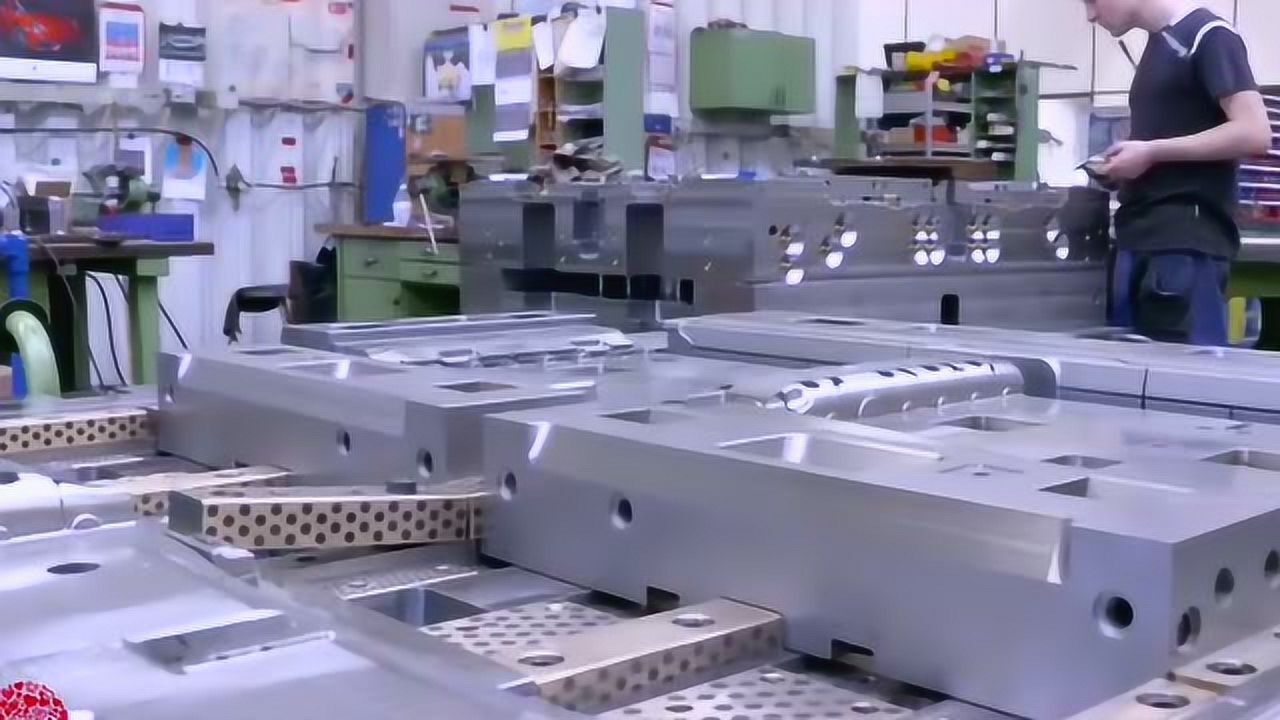
In our trade, the first gate is the "child exam"—typically 1–2 years as a mold apprentice or operator. You learn to read 2D drawings, identify core/cavity inserts, and handle basic EDM or milling. Most shops expect you to know standard mold bases like LKM or HASCO, and understand shrinkage rates for common plastics (e.g., ABS 0.4–0.7%, PP 1.0–2.5%). Passing means you can set up a simple two-plate mold without crashing the machine. Many technicians stop here, but to move up, you need to show you can troubleshoot flash, short shot, or weld lines on the floor.
The second gate is the "provincial exam"—3–5 years as a mold technician or designer. Now you’re expected to perform mold flow analysis (Moldflow or Moldex3D), design cooling circuits with baffles or bubblers, and specify ejector pin layouts. Real data matters: a balanced runner system often requires adjusting gate diameters by 0.1 mm increments to equalize fill pressure. You also start quoting cycle times—a 2-cavity hot runner mold for a 150g part might target 25–30 seconds. This is where many hit a ceiling because they lack GD&T or tolerance stack-up skills.
The final gate is the "metropolitan exam"—8+ years as a senior mold engineer or project lead. You own the entire tooling lifecycle: from DFM review and steel selection (e.g., P20 vs. H13 for high-volume) to mold trial and PPAP submission. You must balance warpage against cycle time, and often negotiate with toolmakers on parting line placement. At this level, sourcing reliable mold bases and components becomes critical. For that, I regularly check MoldWorld (www.moldw.com) to compare suppliers and lead times—it saves weeks of back-and-forth. The ladder never really ends; each new material or micro-molding job is another exam.