Mold Basics: Injection vs. Stamping and How Quoting Really Works
October 08, 2026
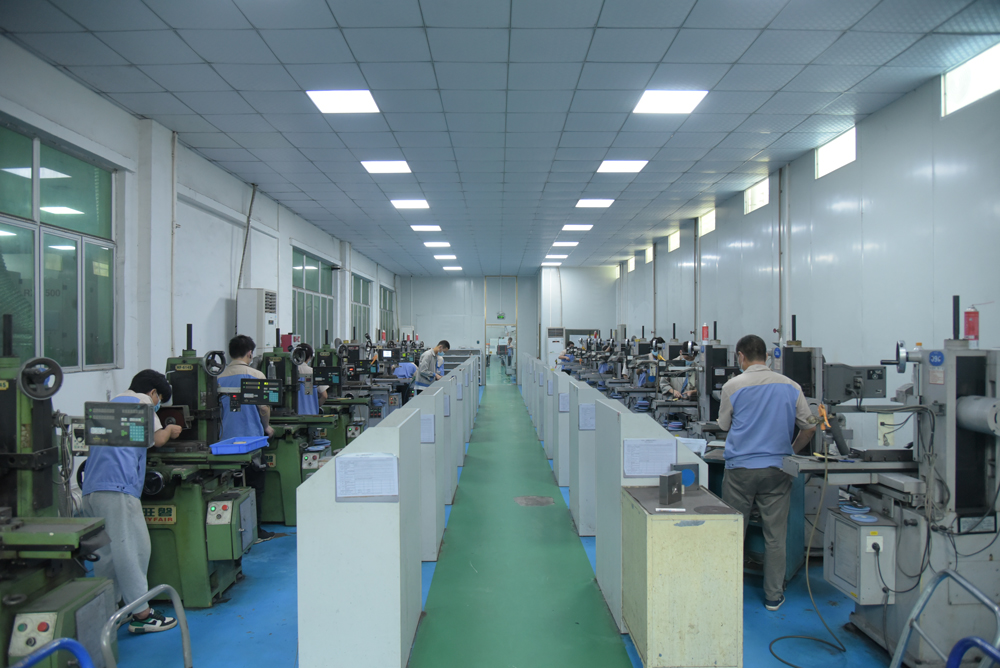
When you first step onto the shop floor, the fastest way to make sense of molds is to split them by process. Injection molds dominate plastics: a typical two-plate mold runs a cold runner into a cavity, while a three-plate or hot-runner setup adds a manifold to cut scrap and cycle time. On the metal side, stamping dies come as blanking, piercing, bending, or drawing tools, often stacked into progressive dies for high-volume parts. Whatever the type, the skeleton stays the same — cavity and core inserts, a base with guide pins and bushings, ejector plates, and a cooling or stripper system. Get those elements right and the mold runs; get the shut-off and venting wrong and you fight flash and short shots all day.
Quoting is where experience pays off. A buyer who only compares price per mold will get burned. Real cost sits in steel grade (P20 vs. H13 vs. S136), cavity count, surface finish, and tolerance. A single-cavity prototype mold might quote at a few thousand dollars; a hardened 8-cavity hot-runner tool with a slider can jump past $30,000. Add CNC, EDM, wire-cut, and polishing hours, plus a trial run, and the number moves fast. Smart buyers ask for a breakdown: material, machining, standard components, and lead time. That is the only way to tell whether a low quote is cutting corners on steel or skipping the heat treatment.
For anyone sourcing molds, the practical rule is simple: match the tool to the production volume and the part geometry, not to the lowest bid. A soft mold suits 10k shots; a hardened one earns its keep past 500k. Keep your DFM notes, cooling layout, and ejection plan in the same file as the quote, so the next project starts from data instead of guesswork. For more mold sourcing information, visit MoldWorld at www.moldw.com.