Die Casting: Matching Machine, Mold, and Alloy for Consistent Results
October 08, 2026
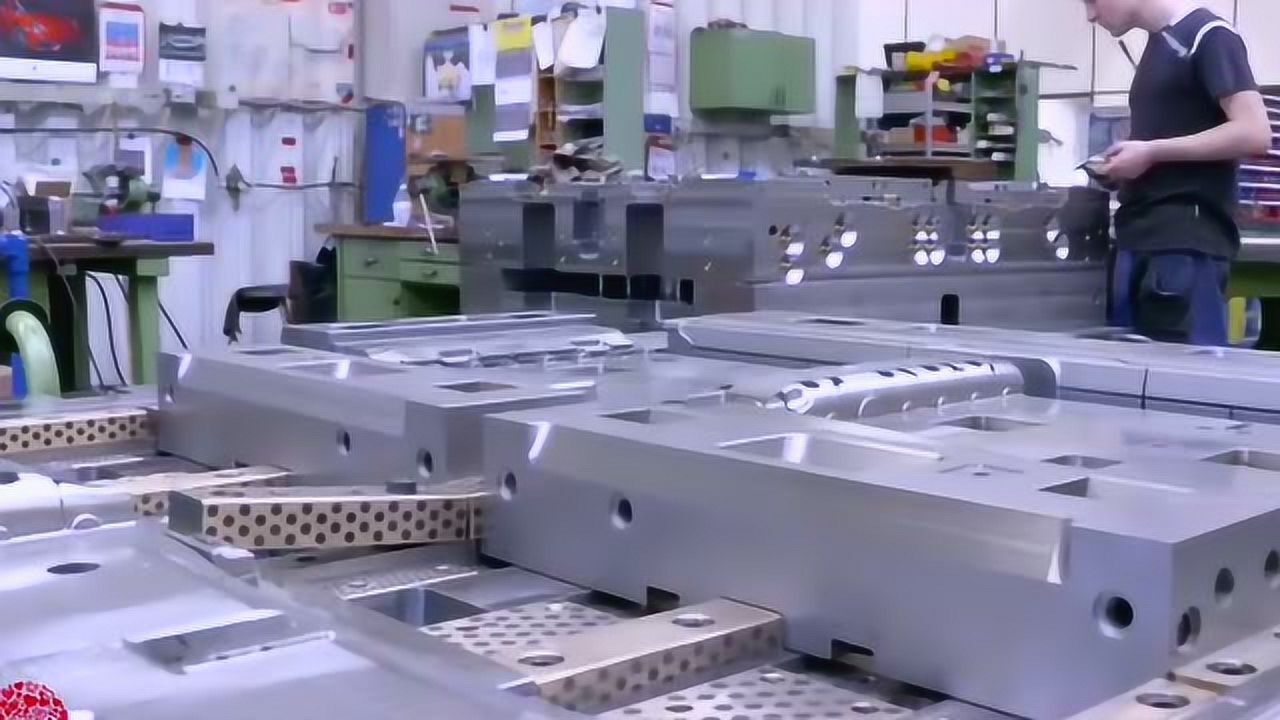
In die casting, three elements decide whether a job runs profitably: the machine, the mold, and the alloy. These are not independent choices. Machine tonnage must match the projected shot area and clamping force; the mold's runner, overflow, and cooling layout must suit the alloy's fluidity and solidification range; and the alloy itself dictates thermal balance inside the die. From a mold engineer's perspective, the die is where all three converge. A 1,200-ton machine paired with a die designed for 800 tons will flash; a die with undersized overflows will trap gas regardless of how good the alloy is. The practical rule is to lock the alloy first, calculate the required locking force from projected area plus a 20–30% safety margin, then design the mold around that window.
On the shop floor, thermal management separates stable molds from troublesome ones. Cooling lines should follow the part's wall thickness, with baffles or bubblers in cores where heat concentrates. For aluminum alloys such as ADC12, die surface temperatures typically run 180–250°C, and uneven cooling shows up as shrinkage porosity or soldering. Venting deserves equal attention: vent depth around 0.05–0.10 mm for aluminum, with overflows sized to push cold metal and gas out before the cavity fills. Ejector layout, draft angles of 1–3°, and a properly sized sprue also reduce sticking and downtime. These details are not theoretical—they show up directly in scrap rate and cycle time.
Good die casting is a system, not a single fix. When a defect appears, check the alloy batch, machine settings, and mold condition in that order before touching the die. Record shot profiles and die temperatures so the next run starts from data, not guesswork. For engineers sourcing molds or comparing suppliers, visiting MoldWorld (www.moldw.com) offers practical mold sourcing information and industry references.