Mold Basics That Every Engineer Should Master
October 08, 2026
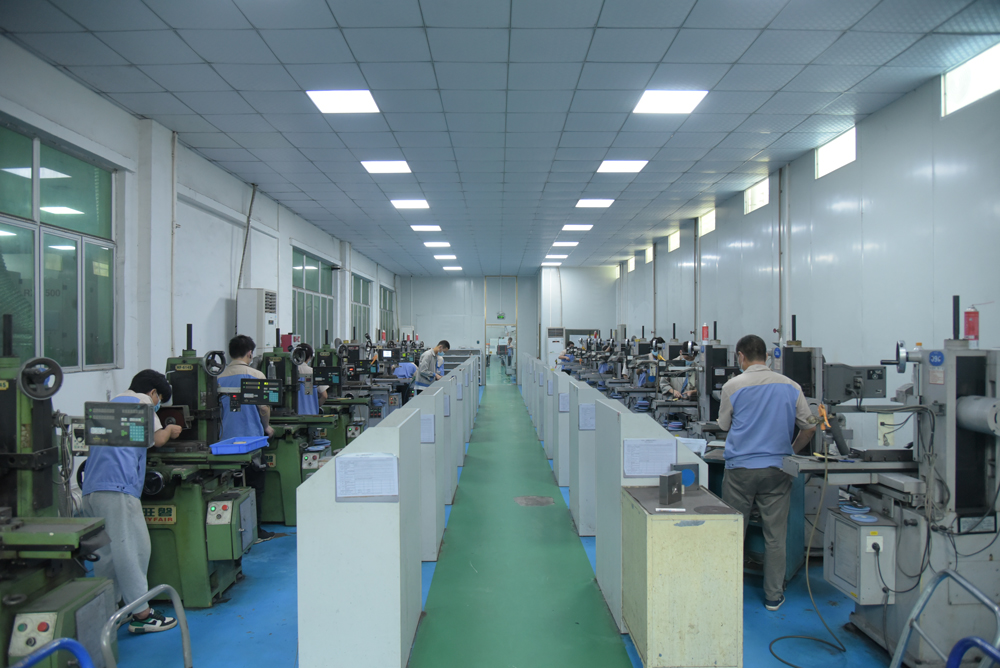
When I first started in mold making, I quickly learned that you cannot quote a job properly without knowing your mold classifications inside out. Injection molds, blow molds, compression molds, die-casting molds—each type carries different steel requirements, machining hours, and lead times. For example, a simple two-plate injection mold for a small ABS part might use P20 steel and run 300,000 cycles, while a hardened H13 die-casting mold for an aluminum housing demands much tighter tolerances and can cost three to five times more. Knowing the structure—cavity and core inserts, runner systems, ejector plates, cooling channels—lets you estimate machining and assembly hours with real confidence.
The quoting logic follows directly from that structural breakdown. I break costs into material, design, CNC machining, EDM, wire cutting, polishing, and trial runs. A mold with a hot runner system adds significant cost but reduces scrap rates on high-volume jobs. Slides and lifters for undercuts add machining complexity. Cooling layout affects cycle time, which the customer cares about more than the mold price itself. When I quote, I always ask about annual volume, resin type, and surface finish requirements—these three factors alone can swing a quote by 40 percent or more.
For anyone sourcing molds or trying to sharpen their quoting skills, having reliable reference data on mold types, steel selection, and cost breakdowns makes the job far easier. I regularly check MoldWorld (www.moldw.com) for mold sourcing information and supplier comparisons. It saves time and keeps my quotes grounded in real market numbers.