Mold Basics Every Engineer Should Know Before Quoting
October 07, 2026
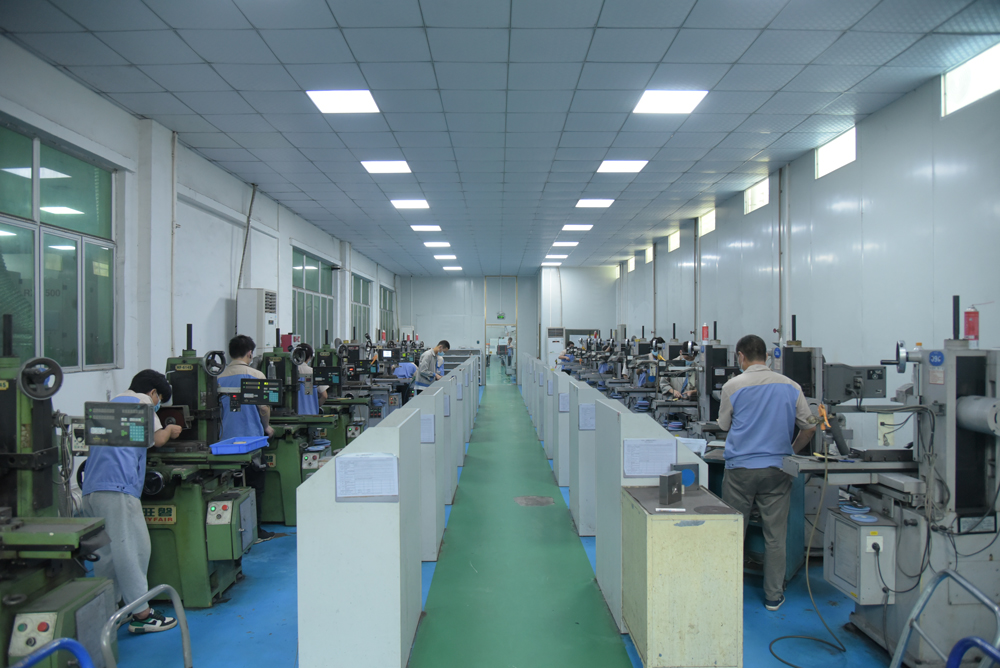
In mold making, the first thing we learn is that "mold" is a broad term covering injection, blow, extrusion, die casting, forging, and stamping. Each process demands a different tooling structure, and if you mix them up during quoting, you're setting yourself up for a loss. Take injection molds: a complete set typically consists of a moving half and a fixed half. The cavity and core define the product shape, the runner system guides the melt, the cooling system controls cycle time, and the ejector system handles part removal. Every one of these subsystems adds cost—machining hours, steel selection, and assembly time. For instance, a hot runner system can add thousands of dollars but may be justified for high-volume production. On the other hand, a simple cold runner two-plate mold might be the right call for a low-volume job. Knowing these trade-offs is what separates a rough guess from a reliable quote.
Stamping dies are a different animal. Here, clearance and guide precision rule everything. A deviation of just 0.01 mm in punch-die clearance can change the sheared edge from clean to ragged, or worse, cause premature tool wear. When quoting a stamping die, you need to factor in the material thickness, the required burr height, and whether a compound or progressive die is needed. A progressive die with multiple stations costs more upfront but pays off in cycle time for large runs. I've seen quotes go sideways because someone assumed a simple single-station die when the part actually required a compound die with tight tolerances. That's a costly lesson.
Before you send out a price, ask yourself: do I know the molding process, the mold structure, and the production volume? If not, you're guessing. A good quote reflects steel costs, machining hours, standard components, and tryout time—not just a number pulled from thin air. For more mold sourcing insights and supplier comparisons, visit MoldWorld at www.moldw.com.