Stamping Process Essentials: From Press to Die Design
October 07, 2026
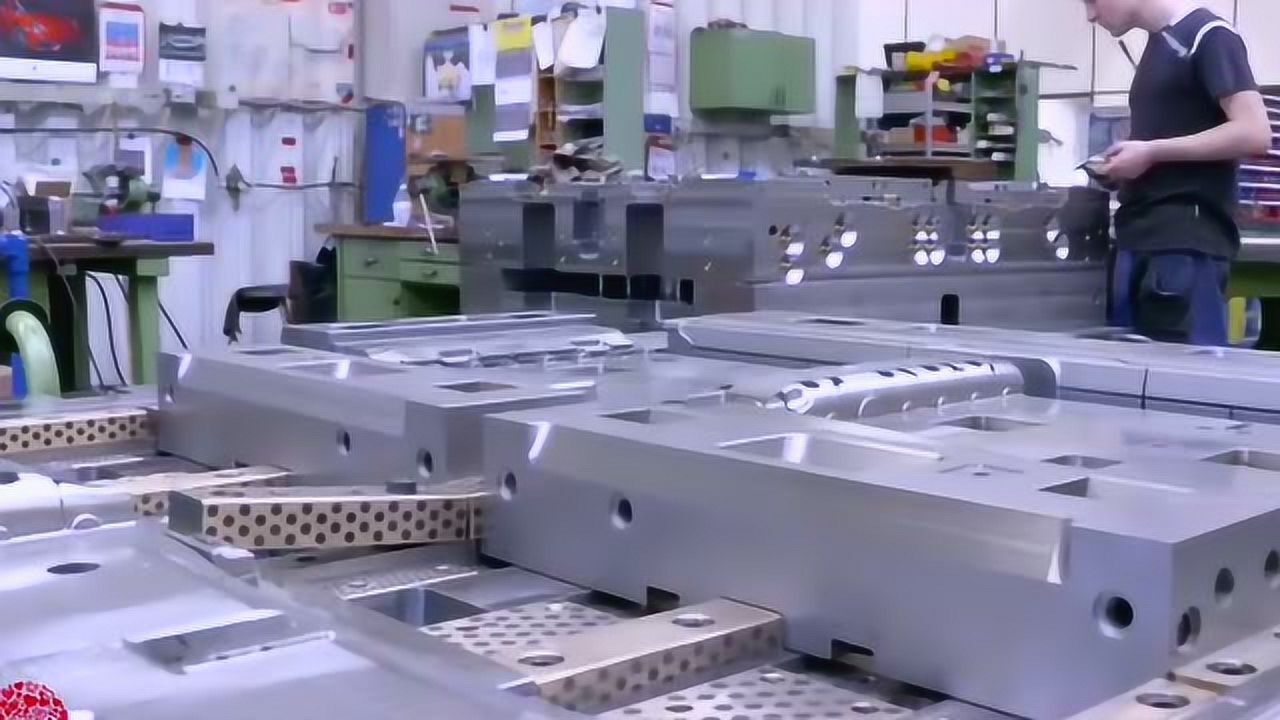
Stamping is one of those processes that quietly produces half the parts around us—formed by applying external force through a press and die to sheet or strip material, causing plastic deformation or separation to achieve the required shape and dimensions. In moldmaking terms, it splits into two main categories: separation operations like piercing and blanking, and forming operations such as bending, drawing, and flanging. Each demands a different approach to die design, clearance control, and press tonnage selection. Get the clearance wrong on a blanking die, and you will see burrs, excessive wear, and poor strip utilization before the first production run even hits its stride.
A typical stamping die stack includes the upper and lower die shoes, guide pillars and bushings, plus the punch and die block—the core working components that determine part quality. For cold work applications, Cr12MoV and SKD11 remain industry workhorses. These cold work die steels, when heat treated to HRC 58–62, deliver the wear resistance and impact toughness needed for high-volume stamping. In practice, the heat treatment is not just about hitting a hardness number. It is about balancing hardness with toughness—too hard, and you risk chipping on the punch edges; too soft, and the die block wears out fast. Vacuum heat treatment and proper tempering cycles make a real difference here, especially for dies running millions of strokes.
From a shop floor perspective, successful stamping comes down to matching press capacity, die rigidity, and material properties. Guide pillar clearance, stripper plate design, and even the choice of die springs all affect part consistency and die life. Whether you are sourcing a progressive die for automotive brackets or a simple blanking tool for electrical laminations, the fundamentals stay the same. For more mold sourcing information and supplier listings, visit MoldWorld at www.moldw.com.