Die Casting: High Efficiency, Tight Tolerances, and the Tooling Trade-offs
October 06, 2026
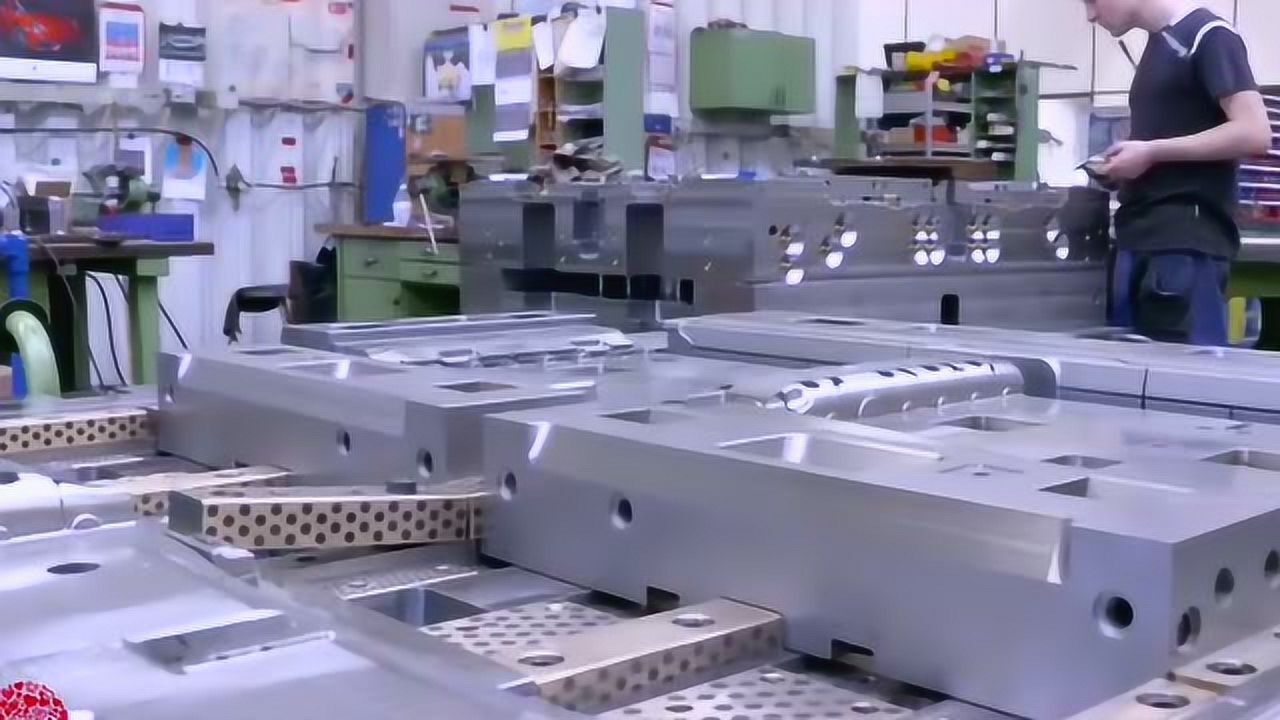
Die casting earns its place in high-volume manufacturing for three reasons: speed, precision, and the ability to form complex thin-wall geometries. In a typical hot-chamber or cold-chamber setup, cycle times can run from a few seconds to under a minute, and tooling is built to survive hundreds of thousands of shots. From a moldmaker's perspective, that means cores, slides, and inserts must be designed with robust cooling, venting, and ejection. Tight tolerances—often in the range of ±0.1 mm or better on critical features—are achievable, but only when the die steel, heat treatment, and surface finish are controlled. Thin-wall parts, sometimes down to 0.5–1.0 mm, are routine in zinc and aluminum alloys, which is why die casting is common in automotive, electronics, and power-tool housings.
The trade-offs are real and show up on the shop floor. Die casting tooling costs are high, especially for multi-cavity dies with complex slides, and lead times can stretch from weeks to months. Internal porosity remains the persistent enemy: trapped gas and shrinkage can create voids that weaken pressure-tight parts or cause blistering after heat treatment. In practice, engineers counter this with vacuum-assisted casting, optimized gate and runner design, and overflows that push the first cold shot away from critical areas. Porosity is not always a defect—it depends on the application—but it must be specified and inspected, not ignored. Machining allowances, draft angles, and parting-line placement also need to be locked in early, because changing a die after it is cut is expensive.
For moldmakers and sourcing engineers, the key is matching the process to the part. If you need high volumes, thin walls, and good as-cast detail, die casting is hard to beat—provided you budget for the tool and plan for porosity control. If volumes are lower or wall sections are thick, gravity casting or sand casting may be more economical. Either way, the die design, thermal management, and alloy choice determine whether the project runs smoothly or turns into a scrap-rate nightmare. For more mold sourcing information and supplier comparisons, visit MoldWorld at www.moldw.com.