Die Casting Process Flow and Mold Design Essentials: A Practical Breakdown
October 06, 2026
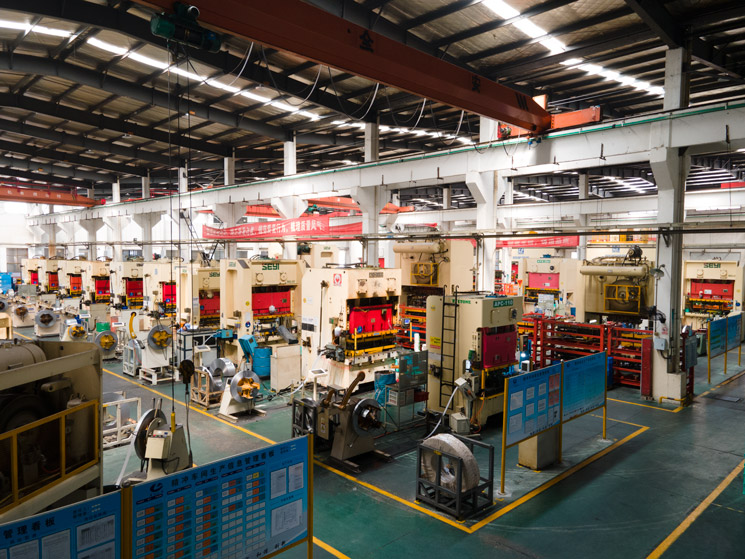
In die casting, the machine, mold, and alloy form one integrated system—if any one of them is off, the defect shows up in the casting. On the machine side, we look at locking force, injection force, and injection speed. A typical 800T machine running an ADC12 aluminum part might use a 60–70 m/s gate velocity and 40–60 MPa specific injection pressure, but those numbers mean nothing if the mold can't handle them. The mold base, cavity insert material (often H13 or SKD61, hardened to 45–50 HRC), and cooling layout must be matched to the machine's tie-bar spacing and platen size. We always check the projected area against locking force before cutting steel—undersized tonnage causes flash, oversized wastes cycle time.
Mold design details decide whether the process window stays wide or collapses. Gate location and runner size control fill pattern; a poorly placed gate traps air and creates porosity that no amount of vacuum assist will fix. Ejector pin layout must respect draft angles—typically 1–2° on aluminum, more on zinc—or parts stick and cycle time climbs. Cooling channels should sit 15–25 mm from the cavity surface for balanced heat removal; uneven cooling warps the part and shortens die life. Venting is equally critical: 0.05–0.1 mm deep vents at the last-fill locations let air escape without flashing. Thermal fatigue cracks usually start at sharp internal corners, so fillets and polished radii aren't cosmetic—they're maintenance strategy.
On the alloy side, ADC12 and A380 behave differently in the same mold. ADC12 flows better but tends to solder; A380 resists soldering but needs higher injection pressure. Zinc alloys like Zamak 3 run at lower temperatures (around 400–420°C melt) and allow thinner walls, but the mold steel still has to handle thermal cycling. The practical takeaway: document your process parameters per mold, track die life, and adjust before defects become scrap. For more mold sourcing and technical resources, visit MoldWorld at www.moldw.com.