Mold Basics: From Classification to Quotation—Practical Points for Every Mold Engineer
October 06, 2026
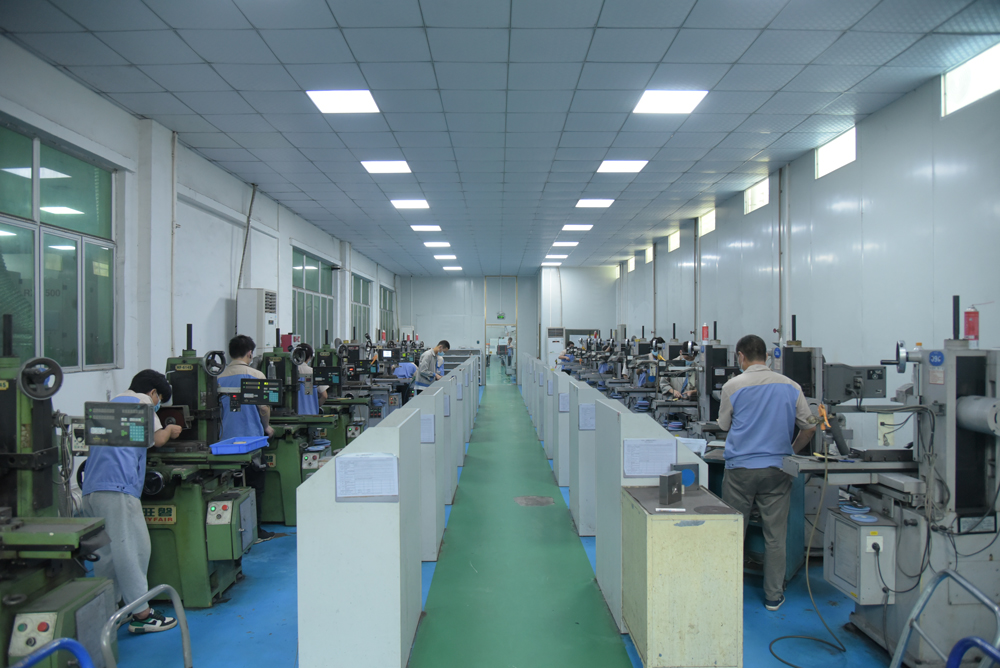
When you quote a mold, the first thing you need to pin down is the mold type, because it drives both structure and price. In our shop, we classify by process first: injection molds, blow molds, compression molds, die-casting molds, and stamping dies. Then we break each down further—two-plate vs. three-plate, hot runner vs. cold runner, single-cavity vs. multi-cavity. A simple two-plate cold-runner mold for a small ABS part might use P20 steel and run 300,000 cycles, while a hot-runner multi-cavity tool for engineering resin needs hardened inserts like H13 or S136 and can push past 1 million cycles. That choice alone can swing the quote by 30–50%.
Quotation logic follows the structure. We calculate material cost from the cavity and core block sizes, add standard components (leader pins, ejector plates, sprue bushings), then estimate machining hours—CNC roughing, EDM for deep ribs, wire cutting for inserts, and polishing for optical surfaces. A typical 2-cavity hot-runner mold for a 150g PC part might take 350–500 machining hours. We also factor in tryout shots, texture etching, and freight. The key is transparency: list steel grade, cavity count, runner type, and expected cycle life. If a customer pushes for a lower price, we discuss reducing cavity count or switching to a softer steel—never by cutting the cooling layout or ejector design, because that kills cycle time and part quality.
For mold engineers, the real skill is reading the part drawing before quoting. Draft angles, wall thickness, undercuts, and surface finish requirements tell you whether you need sliders, lifters, or a complex unscrewing mechanism. Those features add cost fast. Keep a checklist: part material, shrinkage, tonnage, runner preference, and annual volume. That way your quote holds up on the shop floor. For more mold sourcing and technical resources, visit MoldWorld at www.moldw.com.