Stamping Die Selection: Matching Die Type to Press Stroke and Batch Size
October 06, 2026
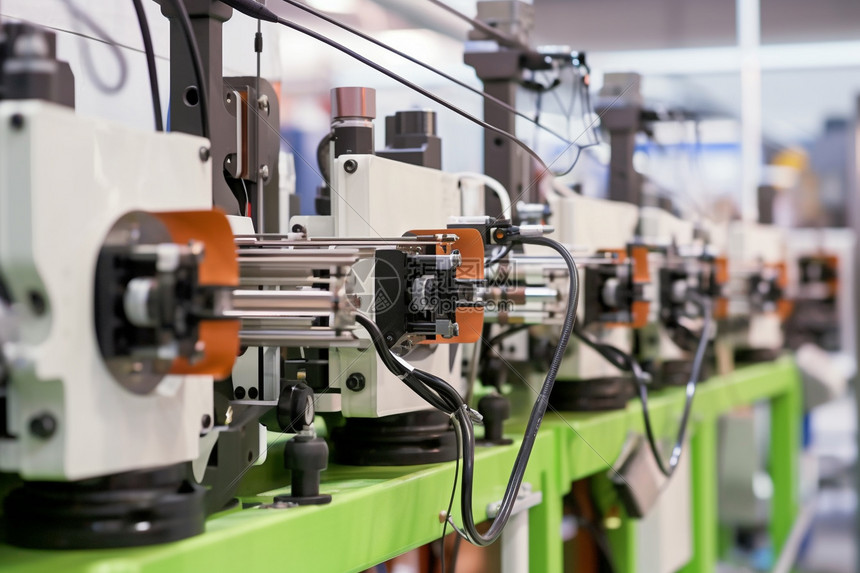
When I'm sizing up a stamping job on the shop floor, the first thing I look at isn't the part drawing — it's the press stroke, the number of stations I can realistically fit, and the batch size. Single-operation dies handle one feature per stroke and make sense for low-volume runs or prototype work, but they demand more handling time and more presses. Compound dies combine blanking and piercing in a single station, so you get two operations per stroke with tight concentricity — great for parts where hole-to-edge tolerance matters, though die maintenance gets trickier because punch and die clearances interact.
Progressive dies are the workhorse for high-volume stamping. Each stroke feeds the strip one pitch forward, and every station adds a cut, bend, or form. The trade-off is real: you need a coil feeder, a straightener, and enough press bed to carry 8 to 20-plus stations. Transfer dies sit in a different lane — instead of a connected strip, individual blanks move between stations via a transfer mechanism, which lets you run larger, deeper-drawn parts that a progressive strip can't support. In practice, I've seen transfer tooling handle parts that would need a 600-ton progressive press otherwise.
From a mold-making standpoint, the choice drives everything downstream: die block material, guide pin layout, nitrogen spring placement, and even how you set up your tryout schedule. A progressive die with 15 stations might take 6 to 8 weeks to build and debug; a compound die for the same part could be ready in 3. If you're sourcing stamping tooling or comparing quotes, the die type should be locked in before you talk price. For more mold sourcing and technical resources, visit MoldWorld at www.moldw.com.