Stamping Process Fundamentals: From Press to Die on the Shop Floor
October 06, 2026
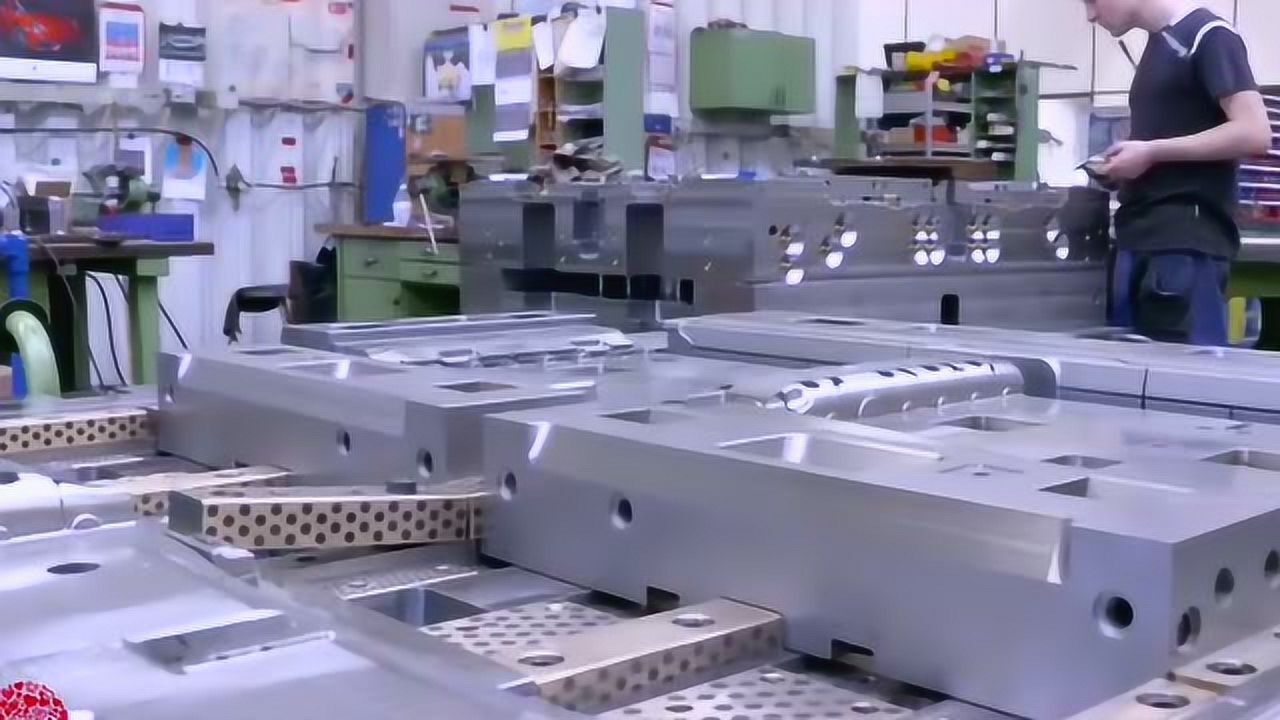
Stamping is one of those processes that looks simple from a distance—a press comes down, a part pops out—but the reality on the shop floor is a tight marriage between press capacity and die design. The basic mechanism hasn't changed: a press applies force to sheet or strip metal through a die, causing plastic deformation or separation to produce the required shape and dimensions. Automotive body panels, appliance housings, and connector terminals are all typical stamped parts. A stamping die set generally consists of an upper die, lower die, guide mechanism, stripper mechanism, and locating components, all working in sync with the press slide stroke to complete one cycle.
Take a common Q235 cold-rolled steel bracket at 1.5mm thickness. A compound blanking-and-piercing die running on a 200-ton press can hold stable production at 30 to 40 strokes per minute, with dimensional tolerances kept within ±0.1mm. From a die maintenance perspective, that kind of repeatability doesn't come free. Punch-to-die clearance needs to be set correctly for the material thickness and shear strength, or you'll see burrs, excessive wear, and premature edge chipping. Guide pins and bushings must be inspected regularly—any play in the guide system will show up as off-center holes and inconsistent blank outlines. Stripper plate force also matters; too little pressure and the strip lifts with the punch, too much and you accelerate wear on the springs and stripper bolts.
Press tonnage selection is another area where experience counts. The 200-ton figure for this bracket isn't arbitrary—it accounts for blanking force, stripping force, and a safety margin. Running a die too close to press capacity leads to frame deflection, which quietly degrades part quality over a production run. For mold makers and stamping shops sourcing dies or looking for tooling partners, having access to a dedicated mold industry platform makes the search more efficient. For more mold sourcing information, visit MoldWorld at www.moldw.com.