Stamping Process Essentials: From Plastic Deformation to Precision Separation
October 05, 2026
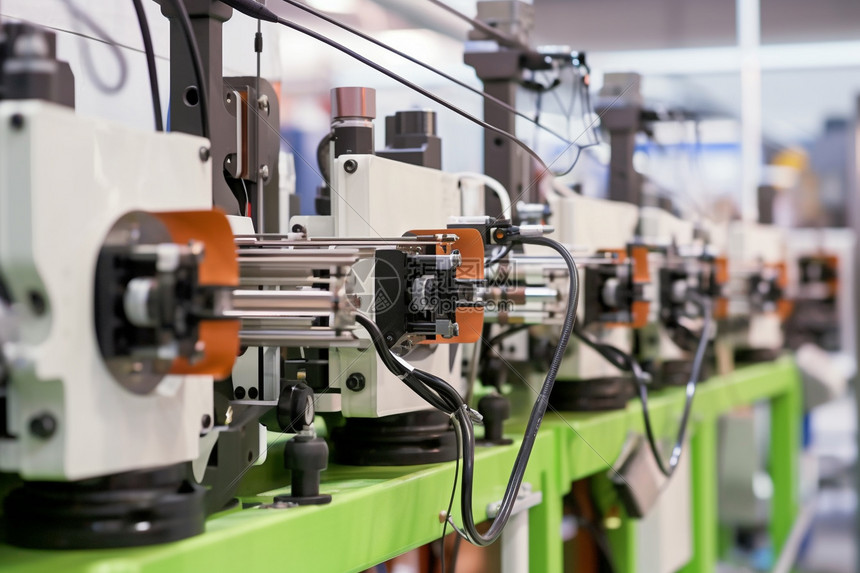
In stamping, the press and die work together to apply external force to sheet, strip, tube, or profile material, forcing it to undergo plastic deformation or separation. The goal is simple but demanding: get the required shape and size while holding tolerances across millions of strokes. This process is widely used in automotive body panels, electronic connectors, and appliance housings. From a mold engineer’s perspective, the real challenge is not just making a single good part, but keeping material utilization high and batch-to-batch consistency stable. That means the die must manage blank holding force, punch-die clearance, and material springback precisely—otherwise you get wrinkles, tears, or burrs that kill the run.
For precision separation, clearance is the critical variable. Too large, and you get heavy burrs and a rough fracture zone; too small, and the die wears fast or the punch chokes. In a typical progressive die for electronic connectors, clearance might be 5–8% of material thickness per side, depending on the alloy and temper. For automotive panels, draw beads and binder forces control material flow so the sheet stretches without splitting. A well-built stamping die also needs robust guide pins, wear plates, and a reliable stripper plate to handle the lateral forces during shearing. If you are sourcing dies or presses, don’t overlook the die’s shut height and tonnage curve—mismatches here cause uneven wear and inconsistent part quality.
In practice, stamping success comes down to die maintenance and process discipline. Keep a log of sharpening intervals, monitor burr height, and check punch-to-die alignment after every regrind. Use a die cushion or nitrogen springs for consistent pressure, and always validate with a tryout press before full production. These habits separate a die that runs for years from one that fails in weeks. For more mold sourcing information and technical resources, visit MoldWorld at www.moldw.com.