Injection Mold Basics: Seven Systems, Five Mold Types, and Defect Troubleshooting
October 05, 2026
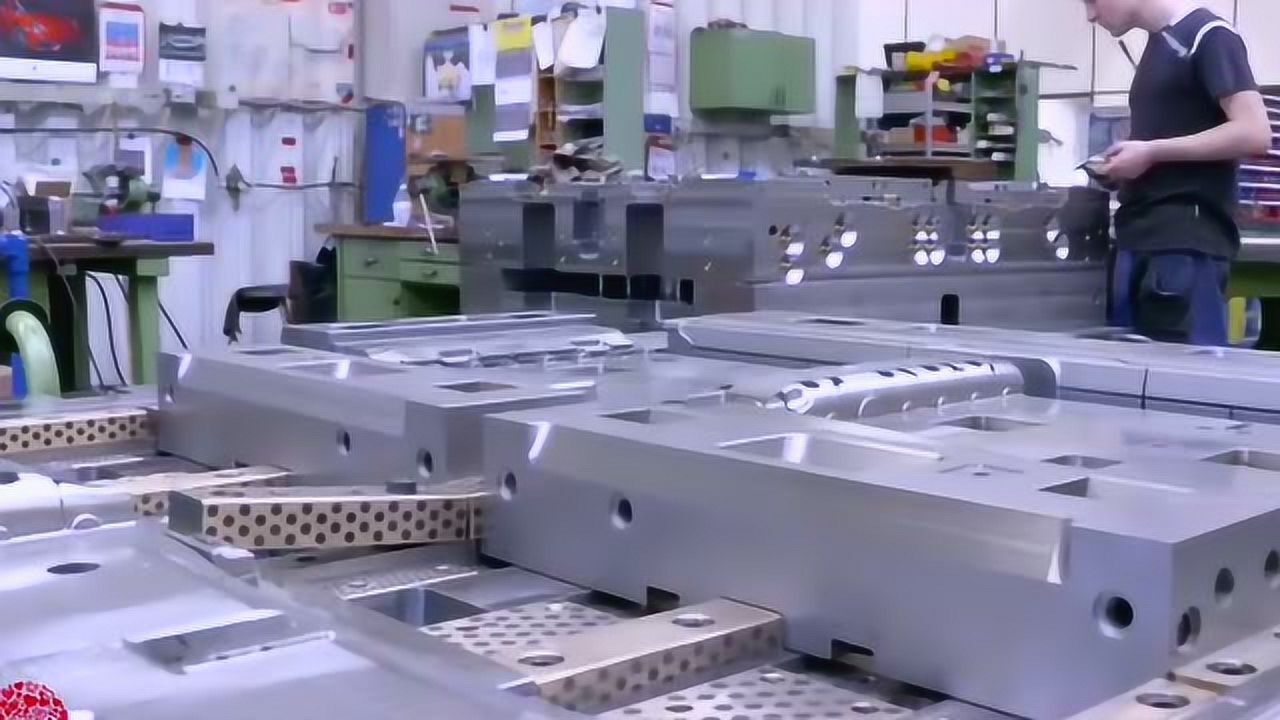
Every injection mold, whether it runs a simple cup or a 1.2 kg automotive bumper, is built around seven functional systems: gating, cavity and core, cooling, ejection, guiding, venting, and the structural base. In a typical two-plate mold for an ABS housing, the cooling system alone can account for over 60% of the total cycle time, which is why baffles and bubblers are common in deep-core applications. The gating system must balance shear and pressure drop—hot runners suit high-volume PP parts, while a cold runner with a fan gate works well for flat PC panels where warpage control matters. The ejection system needs enough ejector pins or a stripper plate to avoid visible marks on cosmetic surfaces.
Molds are generally classified into five types: two-plate (standard), three-plate (for pin-point gating), hot runner, stack mold, and unscrewing mold for threaded parts. A three-plate tool adds a floating cavity plate to allow central gating, but it increases mold height and requires a longer stroke. Stack molds double output by adding a second parting line, often used for thin-wall packaging. Unscrewing molds use a rack-and-pinion or hydraulic motor to rotate the core, common for bottle caps with internal threads. Each type demands different steel selection—P20 for general use, H13 for high-wear glass-filled nylon, and S136 for corrosive PVC.
Defect troubleshooting is where experience pays off. Short shots often trace back to insufficient venting or low injection speed; a 0.02–0.03 mm vent depth on the parting line usually solves it. Warpage in glass-filled PA66 can be reduced by balancing cooling lines and adjusting pack pressure. Sink marks on ribs are corrected by increasing rib thickness to 60–70% of the wall or adding a gas counter-pressure. Flash appears when clamping force is too low or the parting line wears beyond 0.05 mm. For more mold sourcing and technical guides, visit MoldWorld at www.moldw.com.