Stamping Process Explained: From Press to Mold Forming Logic
October 05, 2026
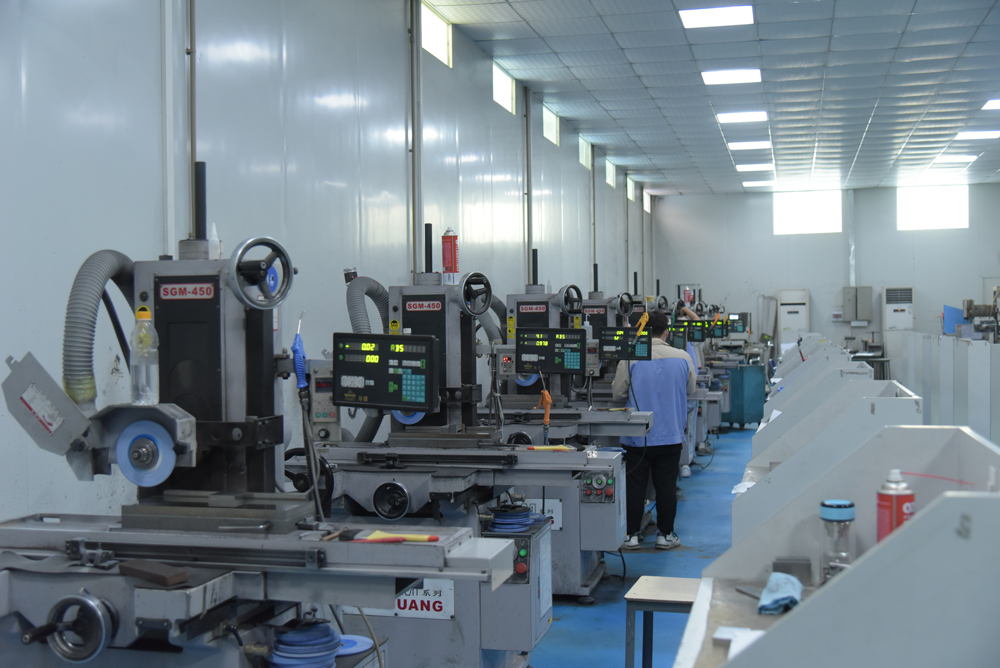
Stamping is one of those processes that looks simple until you actually build the tooling. The basic principle: a press and a stamping mold apply external force to sheet or strip metal, causing plastic deformation or separation to get the shape and size you need. Look around — metal enclosures, connectors, spring contacts — most of them are stamped parts. A typical stamping mold consists of upper and lower mold bases, punch, die, stripper plate, and guide pillars with guide bushings. The whole game is about clearance and edge coordination: in a single stroke of the press slide, you complete blanking, piercing, bending, or drawing. In our shop, for a common 0.5mm cold-rolled steel blanking operation, we set the mold clearance at 8% to 12% of material thickness. Go too large, and you get burrs that fail inspection. Go too small, and you accelerate edge wear — sometimes dramatically. That clearance window is not a suggestion; it is a hard-earned number from trial and error.
From a mold engineer's perspective, the real challenge is not understanding the theory — it is holding tolerances over hundreds of thousands of strokes. The punch and die materials, heat treatment, and surface coating all matter. For 0.5mm cold-rolled steel, we typically use SKD11 or equivalent tool steel, hardened to 58-62 HRC. The stripper plate force must be balanced; too little and the strip lifts, too much and you mark the part. Guide pillar clearance should be tight enough for alignment but not so tight that thermal expansion seizes the mold during long runs. And let's not forget press tonnage selection — you need enough force to shear cleanly but not so much that you deflect the mold base. These are the details that separate a mold that runs for a week from one that runs for five years.
If you are sourcing stamping molds or trying to troubleshoot clearance issues on your current tooling, there is no substitute for real-world data from people who have run the same material and thickness. For more mold sourcing information and technical resources, visit MoldWorld at www.moldw.com.