Stamping Process Explained: From Press to Mold Manufacturing Logic
October 04, 2026
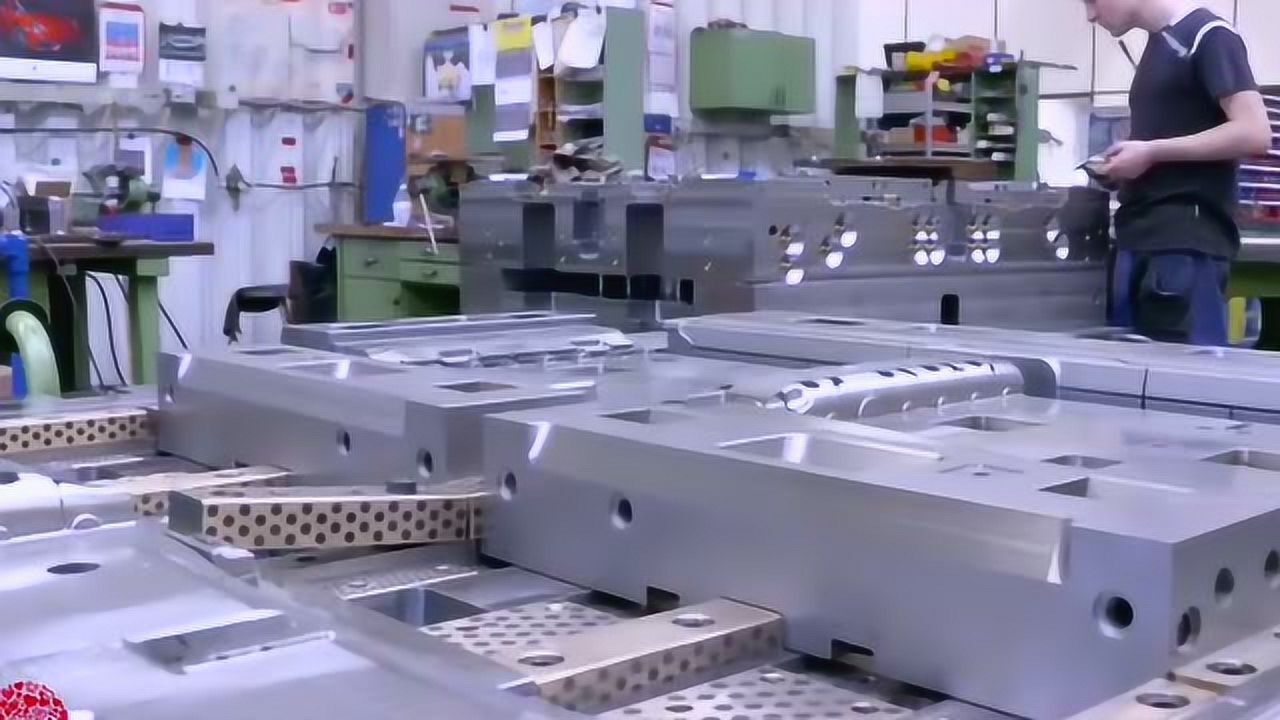
In stamping, the press provides the force, the mold determines the shape, and the sheet or strip is the workpiece. The basic mechanism is straightforward: external force causes plastic deformation or separation of the sheet metal to produce parts with the required shape and dimensions. As a mold engineer, I treat these as the three core elements of the process. In everyday production, most metal enclosures and connectors are made this way, especially when volumes are high and consistency matters. From a tooling perspective, the mold must account for material thickness, springback, and clearance between punch and die. If clearance is too small, you get excessive wear and burrs; too large, and the cut edge quality drops. These are not theoretical points—they show up on the shop floor as tool damage, scrap rate, and press downtime.
The press itself is not just a power source. Tonnage, stroke, and bed size must match the mold and the required stamping force. For a progressive die, the strip layout determines how many stations are needed and how the material advances. A poorly designed layout can cause pilot misalignment, which leads to damaged punches and inconsistent part dimensions. In 2021, a technical document dated March 18 presented this process in detail, and it aligns with what we see in real die tryout: the mold is where the manufacturing logic is fixed. Once the die is cut, changes are expensive. That is why we spend time on strip layout, die structure, and material utilization before any steel is machined.
For mold makers and sourcing teams, the practical takeaway is simple: stamping is a system, not a single operation. The press, mold, and sheet material must be specified together. If you are evaluating a stamping supplier or looking for mold components, having the right process data early saves tooling cost and lead time. For more mold sourcing information, visit MoldWorld at www.moldw.com.