Mold Fundamentals: Classification, Structure, and Material Selection That Every Mold Engineer Should Master
October 04, 2026
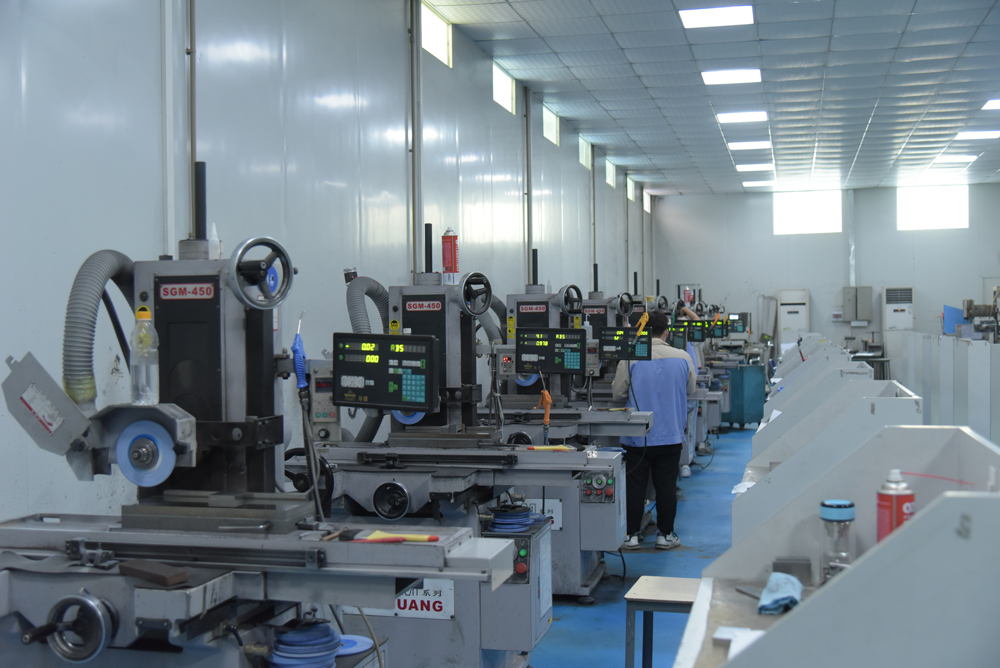
In moldmaking, the term "mother machine" is not marketing talk — it reflects the reality that nearly every mass-produced plastic or metal part traces back to a tool. Molds are broadly grouped by process: injection molds for thermoplastics, compression molds for thermosets and rubber, transfer molds, blow molds, and die-casting dies for aluminum, zinc, and magnesium alloys. Each type dictates different steel grades, cooling layouts, and ejection strategies. A two-plate injection mold, for example, typically uses a standard A/B plate configuration with a single parting line, while a three-plate mold adds a runner stripper plate to enable pin-point gating — a detail that directly affects cycle time and scrap rate on the floor.
Structure follows function. A typical injection mold consists of the cavity and core inserts, the mold base, guide pillars and bushings, the sprue bush, runner and gate system, cooling channels, and the ejection assembly. Tolerances matter: guide pillar clearance is usually held to H7/g6, and parting-line flatness often must stay within 0.02 mm across the full face. For die-casting dies, thermal fatigue is the dominant failure mode, so H13 (1.2344) with a hardness of 44–48 HRC remains a workhorse, while plastic injection molds frequently use P20 (1.2311) at 28–32 HRC for large, low-wear parts, or 718H for better polishability. S136 (420 stainless) is specified when corrosive resins like PVC or flame-retardant ABS are involved. Material selection is never about the "best" steel — it is about matching wear resistance, toughness, and heat treatment to the actual production volume and resin chemistry.
On the shop floor, these decisions show up as real costs. A mold running 500,000 shots on glass-filled nylon will destroy a soft cavity in weeks; the same tool in H13 with proper nitriding can hold dimensional tolerance far longer. Cooling layout, venting depth (often 0.02–0.03 mm), and gate location frequently matter more than steel grade alone. For engineers sourcing molds or comparing suppliers, having a reference library of these fundamentals saves both time and tooling cost. More mold sourcing and technical resources are available at MoldWorld (www.moldw.com).