Mold Engineer's Path: From Apprentice to Master
October 03, 2026
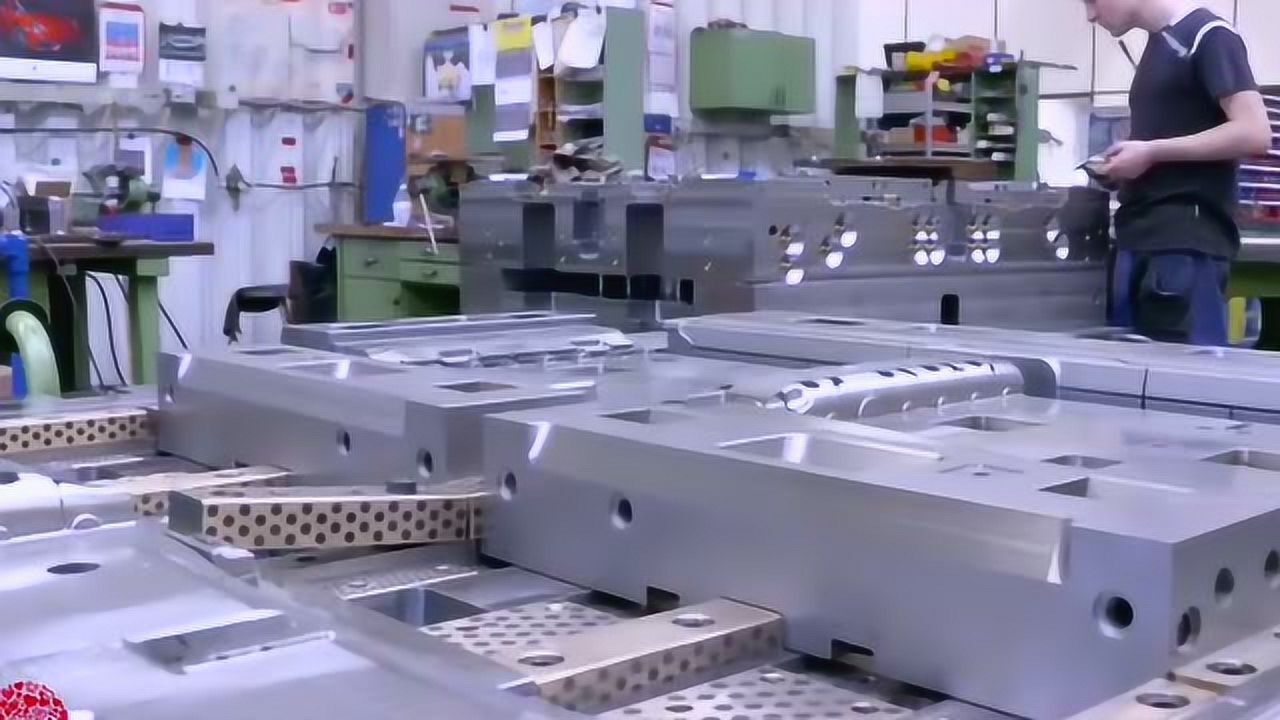
In the mold industry, career progression is rarely accidental. It follows a layered screening process not unlike the imperial examination system. A new apprentice starts with the "county exam" — basic machining: reading 2D drawings, operating a manual mill, understanding tolerance grades from IT01 to IT18, and learning how a 0.02mm shim changes fit. At this stage, you're not designing anything; you're learning why a core pin needs a draft angle of 1–2° and how insufficient venting causes burn marks. Most wash out here because they treat the trade as a job, not a craft.
The "provincial exam" is where real mold sense develops. You move into CNC programming, EDM (electrical discharge machining), and wire cutting. You learn to compensate for electrode wear — typically 0.1–0.3mm on roughing — and why a mirror-finish cavity needs a copper electrode with a shrinkage rate calculated to the third decimal. At this stage, a technician starts quoting cycle times: a 2-cavity hot-runner mold for an ABS part might run a 25-second cycle, and every second saved is margin. You also learn the hard way that a poorly placed gate means weld lines that no amount of polishing hides.
The "palace exam" is tooling project management and DFM (design for manufacturability). You sit with product designers, flag a 0.5mm wall thickness that will short-shot, and propose a 1.2mm nominal with rib reinforcement. You specify P20 or 718H steel based on a 500,000-shot life requirement. You manage trial runs, measure shrinkage across 10 shots, and sign off only when CpK for critical dimensions hits 1.33. That's the master level — not a title, but a track record of molds that run for years without flash or galling. For sourcing vetted mold shops and technical resources, visit MoldWorld at www.moldw.com.