Stamping Process Explained: From Forming Principles to Real-World Part Production
October 03, 2026
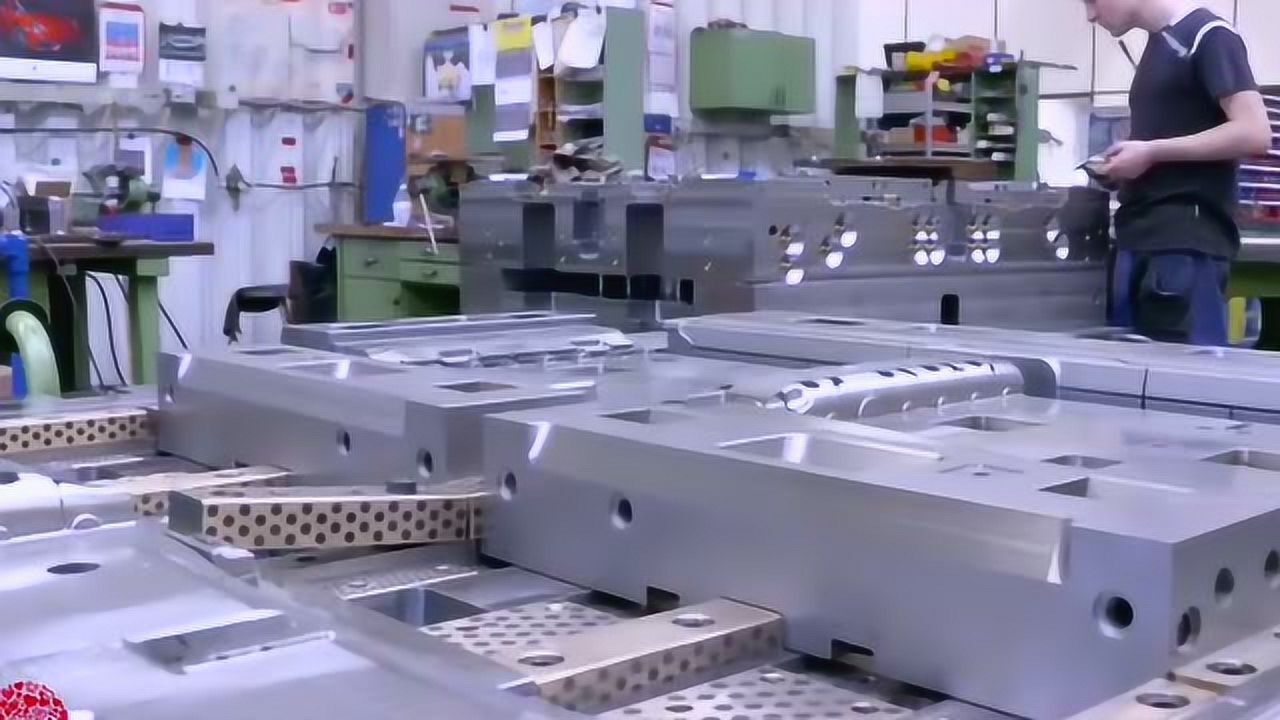
In stamping, a press and a die apply external force to sheet metal so it plastically deforms or separates into the required shape and size. The upper and lower die halves close on a flat blank and "press" it into a three-dimensional part. Two core numbers matter most on the shop floor: blanking clearance is typically 5%–10% of sheet thickness, and if it is off, burrs and fracture-surface quality degrade immediately; the drawing coefficient determines whether a part can be drawn in one hit—for ordinary low-carbon steel, the first drawing coefficient usually falls between 0.5 and 0.6. Mold engineers watch these parameters closely because even a tiny deviation can scrap a run. In die design, this translates into tight tolerances on punch and die inserts, careful selection of die materials and heat treatment, and robust guidance and stripping systems to hold clearance consistently over thousands of strokes.
From a tooling perspective, stamping dies are not just blocks of steel. A progressive die for a simple bracket may combine blanking, piercing, and forming stations, with spring-loaded strippers and pilots to keep the strip aligned. For drawing operations, draw radii, blank-holder force, and lubrication are adjusted alongside the drawing coefficient to avoid wrinkling or tearing. Tryout is where theory meets reality: engineers shim the die, adjust clearance, and tweak press stroke until the first-off part meets the print. Even with simulation, the physical die often needs iteration, because material springback and friction behave differently from the model.
In production, stamping dies are judged by uptime, part consistency, and maintenance intervals. A well-built die with proper clearance and cooling can run millions of strokes before rework; a poorly set one may need shimming within a shift. For moldmakers and buyers, the key is matching die specification to the part's tolerance, material, and volume—not overbuilding a low-volume job or underbuilding a high-volume one. For more mold sourcing information, visit MoldWorld at www.moldw.com.