Mold Classification and Structure: A Practical Guide for Mold Engineers
October 03, 2026
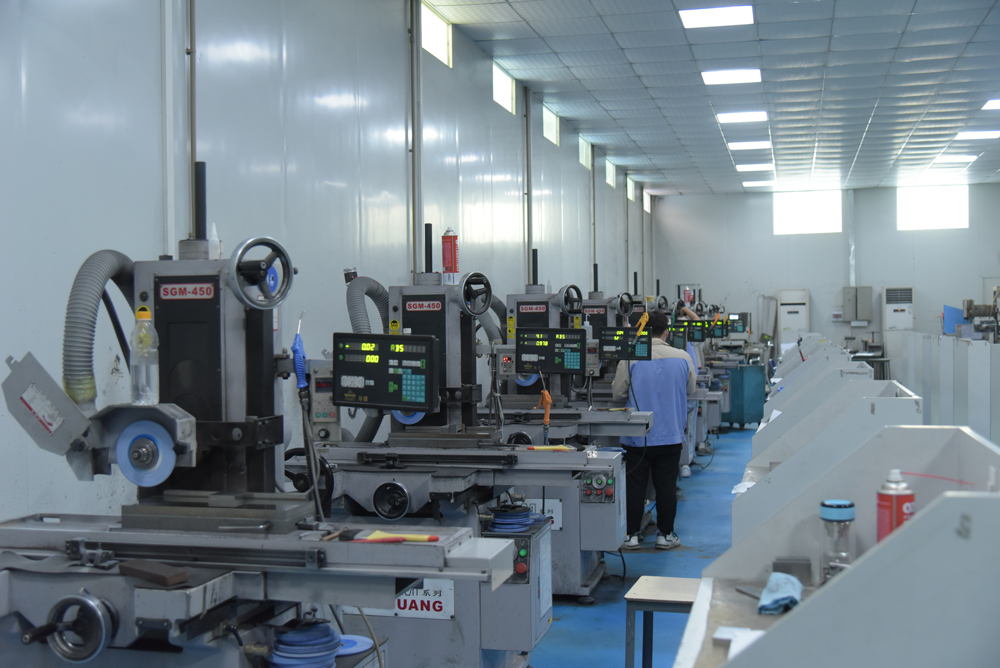
In mold work, the first thing to get straight is classification, because it drives everything from steel selection to press matching. We usually split molds into two big families: those for metal and those for non-metal or powder metallurgy. On the metal side, blanking dies, bending dies, drawing dies, and extrusion dies are the daily bread. On the non-metal side, plastic molds, rubber molds, and ceramic molds dominate. Plastic molds break down further into injection, compression, and blow molds. Injection molds are the workhorses in automotive, appliance, and consumer goods production, and in our shop they account for the largest share of tooling hours. Powder metallurgy molds press iron-based and copper-based parts, typically gears and bearing sleeves, where batch volumes justify the tooling cost.
Knowing the category is only half the job; structure is where the real engineering happens. A stamping die lives or dies by its blanking clearance, typically 5–10% of sheet thickness depending on material, and by guide pillar accuracy. An injection mold needs a well-balanced runner system, proper cooling layout, and a robust ejector mechanism. For powder metallurgy tooling, die wall clearance and punch fit directly affect density uniformity in gears and bearing sleeves. In practice, we check parting line position, draft angle, and shrinkage allowance before any steel is cut. These details decide whether a tool runs millions of cycles or fails in the first week.
Good classification and structure review also feed directly into scheduling and cost control. A deep-draw die and a multi-cavity injection mold have very different lead times, machining routes, and tryout cycles, so mixing them up on the shop floor wastes capacity. When quoting or planning, match the mold type to the press tonnage, expected shot count, and material flow. Keep your classification logic tight, and design reviews get faster and less painful. For more mold sourcing and technical resources, visit MoldWorld at www.moldw.com.