Stamping Process Essentials: From Blanking to Forming on the Shop Floor
October 02, 2026
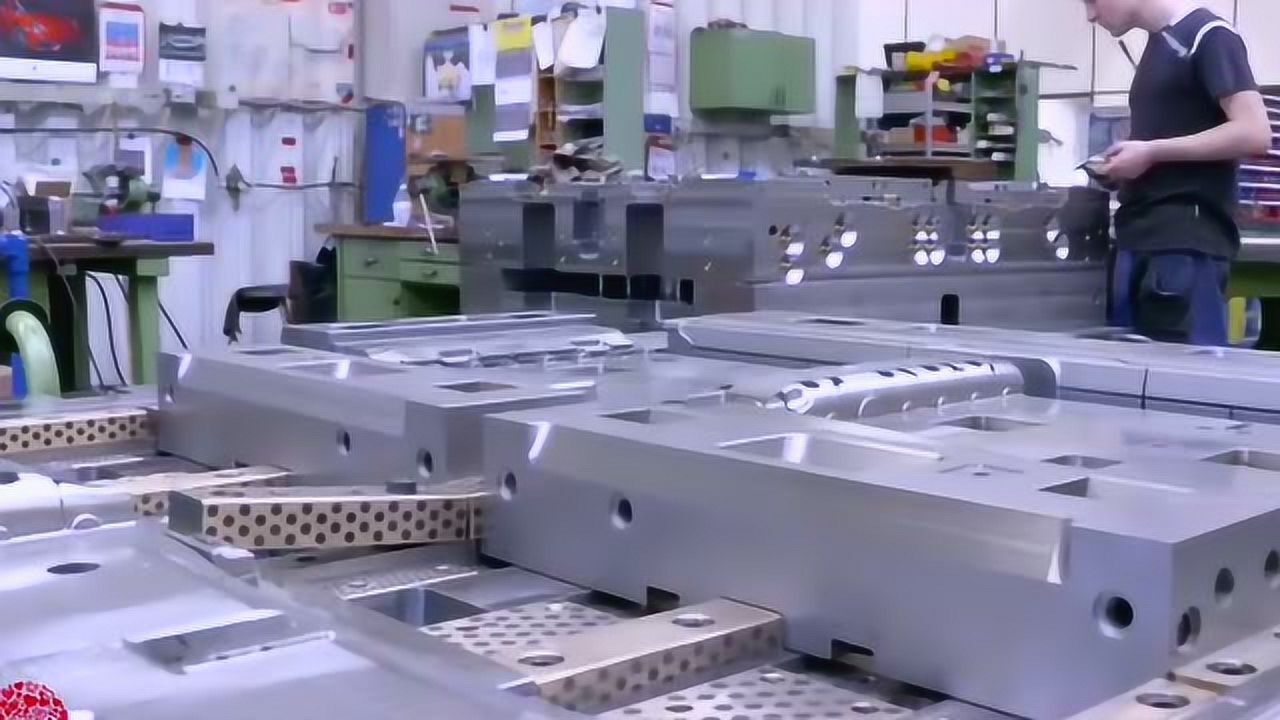
Stamping is one of the most fundamental and core processing methods in the mold industry. Understanding each action in the stamping process has a direct impact on quoting and production scheduling. The workflow typically begins with blanking, where the sheet material is cut to the required shape and size. This step sets the foundation for everything that follows—if the blank is off, the entire run suffers. Next comes drawing, where the flat blank is formed into a three-dimensional shape using a die. This is where material flow, blank holder force, and punch radius all come into play. Get these wrong, and you'll see wrinkles, tears, or thinning that no downstream tweak can fix.
After drawing, the part moves into trimming and piercing, where excess material is removed and holes are punched. Here, die clearance and shear angles matter more than most people think. Too much clearance and you get burrs; too little and you risk die wear or cracking. Then comes flanging and hemming, which add stiffness and allow for assembly. In high-volume stamping, progressive dies handle multiple steps in one pass, but they demand tighter tolerances and more careful maintenance. For quoting, each of these steps translates into tonnage requirements, cycle time, and die complexity—factors that can make or break your cost estimate. A 200-ton press might handle a simple blanking job, but deep drawing or high-strength steel often pushes you into 400-ton or larger territory.
From a scheduling standpoint, stamping is rarely a standalone operation. It feeds welding, assembly, or secondary machining. That means die changeover time, coil feeding, and scrap handling all need to be factored into your lead time. Experienced engineers know that a well-designed stamping die can run for hundreds of thousands of strokes with proper maintenance, but neglecting lubrication or ignoring wear on punches and dies will cost you far more than the price of a rebuild. If you're sourcing stamping dies or need to compare suppliers, visiting MoldWorld (www.moldw.com) gives you access to mold sourcing information and industry resources that can help you make better decisions on the floor and at the quoting table.