Stamping Process Explained: From Forming Principles to Volume Part Production
October 02, 2026
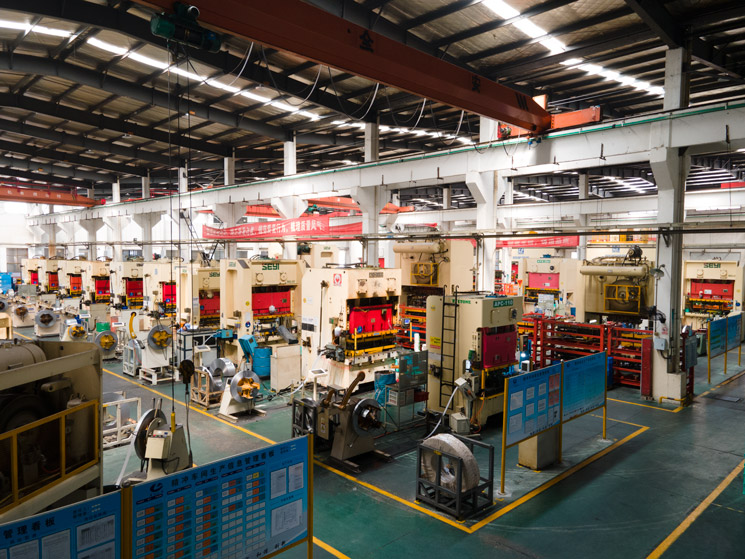
In stamping, the die does the work: a press applies force to sheet metal, causing plastic deformation or shear separation to achieve the required shape and dimensions. Take a typical automotive closure panel—a 1.2 mm cold-rolled steel blank is formed into a door inner panel in a single draw operation on a press rated above 2000 kN, with material utilization exceeding 65%. Unlike machining, stamping generates virtually no chips, so efficiency is extremely high. A progressive die running on a high-speed press can complete 300 to 600 strokes per minute, with each stroke simultaneously performing piercing, trimming, and bending. From a tooling perspective, die clearance is normally held at 5% to 10% of sheet thickness. Too much clearance produces excessive burrs; too little accelerates die wear and risks galling on the draw radius.
For moldmakers and stamping engineers, these numbers directly affect die design and maintenance planning. Draw dies for large panels need proper binder pressure control and draw bead layout to prevent wrinkling and tearing. Progressive dies demand precise strip layout, piloting, and slug control, because at 600 strokes per minute even a minor misalignment becomes a production-stopping crash. Clearance selection also depends on material grade and thickness consistency—high-strength steel often requires tighter tolerances and more wear-resistant tool steels such as SKD11 or powder metallurgy grades. In practice, balancing burr height, die life, and press tonnage is the daily reality of stamping tooling work.
Whether you are sourcing draw dies, progressive dies, or complete stamping tooling packages, the key is matching die specification to your press capacity, material, and annual volume. A die that performs well at 200 strokes per minute may fail at 500 if strip feeding and slug evacuation are not engineered correctly. For more mold sourcing information and supplier comparisons, visit MoldWorld at www.moldw.com.