Mold Classification and Machining Processes: A Practical Breakdown from Metal to Plastic
October 02, 2026
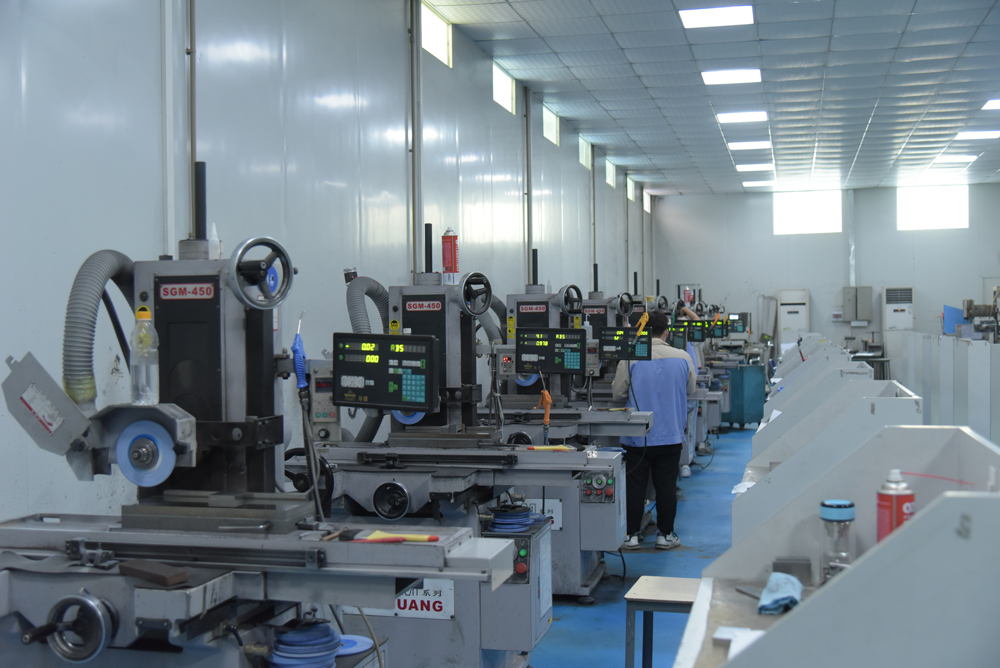
In our shop, the first question on any RFQ is never "how big" — it's "what material are you forming?" That single answer sorts the job into one of two big families: metal-working molds and non-metal/powder metallurgy molds. On the metal side we deal with stamping dies, forging dies, die-casting dies, and extrusion tooling. Each carries its own design logic. A progressive stamping die for 1.5 mm cold-rolled steel lives or dies by punch-to-die clearance, typically 8-12% of sheet thickness per side, and by stripper plate travel. A die-casting die for ADC12 aluminum runs at 650-700°C melt temperature, so we spec H13 tool steel with 48-52 HRC and design cooling channels to pull 15-20°C per second out of the cavity. Get the thermal balance wrong and you get soldering and porosity, not parts.
Non-metal and powder metallurgy molds flip the priorities. Injection molds for plastics are ruled by shrinkage and cooling. A 2 mm ABS wall shrinks about 0.4-0.7%, so we cut the core and cavity to compensate before the steel is even hardened. Glass-filled nylon at 30% GF will eat a P20 cavity in a few hundred thousand shots, so we step up to S136 or 718H and add hardened gate inserts. Powder metallurgy compaction dies are a different animal again: tungsten carbide inserts, 0.02 mm fit tolerances, and spring-back allowance built into the punch. Quoting these three categories with one price formula is how shops lose money — cycle time, steel grade, and EDM hours swing by 3-5x across the families.
The practical takeaway: classify first, then quote. Match steel grade, tolerance band, and cooling strategy to the mold family before you touch a number. For more mold sourcing and supplier comparison info, visit MoldWorld at www.moldw.com.