Ejection System and Molding Mechanism Design: Key Points for Mold Engineers
October 02, 2026
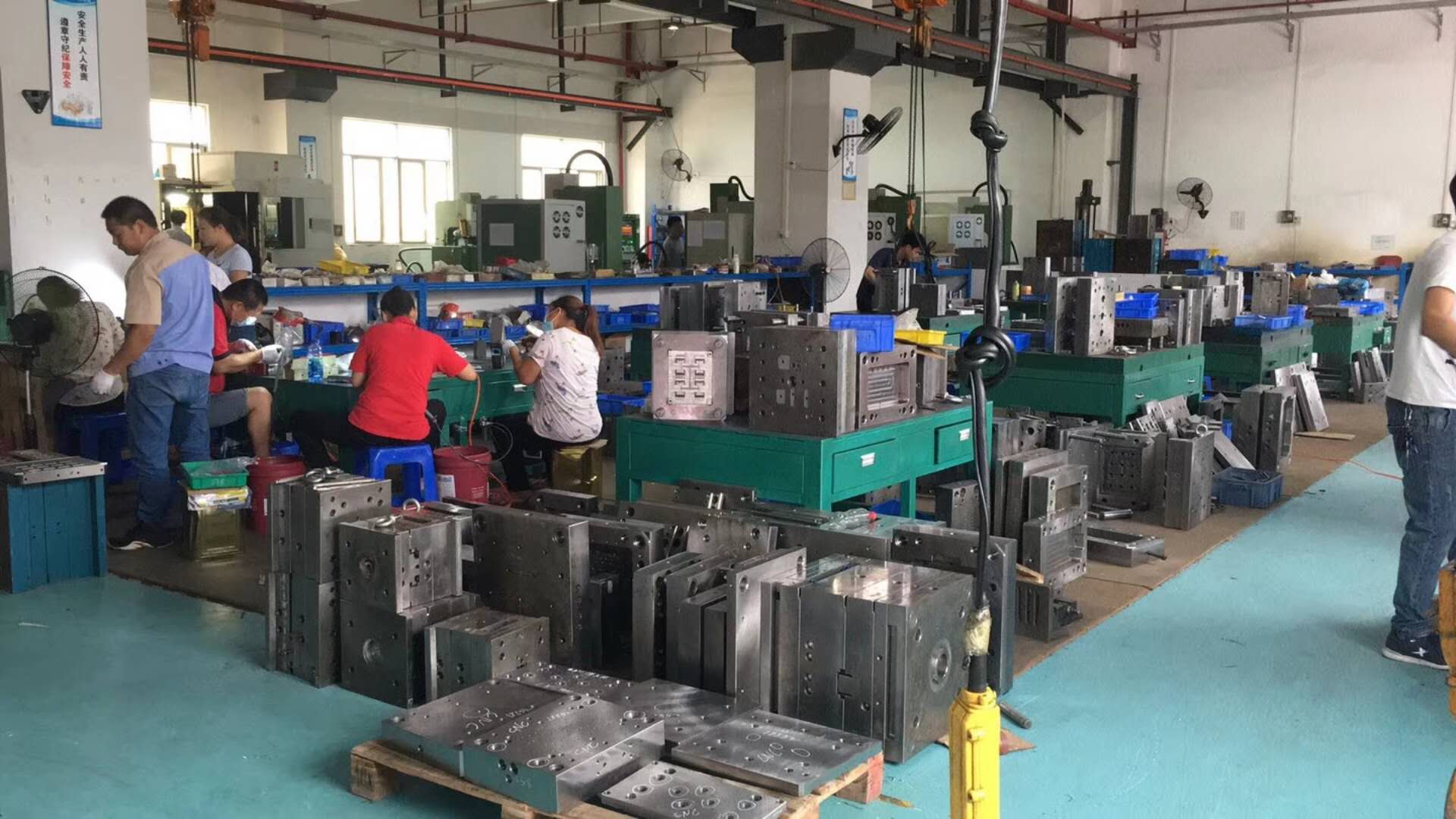
In injection mold design, the ejection system is not an afterthought—it directly determines whether a part releases cleanly, whether it warps, and how long the cycle runs. From a mold engineer's standpoint, the core task is balancing ejector pin placement against the molding mechanism. Ejector pins should act on the stiffest sections of the part, such as ribs, bosses, and gate-adjacent areas, to avoid local deformation. For a typical ABS enclosure, pin diameter is often kept between 3 mm and 6 mm, with a minimum draft of 0.5° to 1° on core surfaces. Ejector plate travel must exceed part depth by at least 5–10 mm to ensure full clearance. When the molding mechanism includes sliders or lifters, their retraction sequence must be interlocked with ejection—otherwise the slider can shear the part or crash the core.
Mechanism coordination is where many molds fail in production. A slide cam driven by a angled pin at 15°–20° needs a safety margin of at least 3 mm before ejector forward motion begins. For deep-draw parts, a two-stage ejection—first stripping the part from the core, then pushing it off the ejector pins—reduces stress marks. Air poppet valves, often 6–10 mm in diameter, work well for thin-wall containers where pin marks are unacceptable. Cooling layout also matters: uneven mold temperature above 80°C on one side and 50°C on the other will cause differential shrinkage, making ejection force unpredictable. In practice, we target a uniform cavity surface temperature within ±5°C before finalizing ejector positions.
Tooling tolerances and material selection close the loop. Ejector pins are commonly made from SKD61 or H13, nitrided to a surface hardness of 900–1100 HV, with a clearance of 0.02–0.04 mm in the ejector plate holes. Return springs should be sized for at least 1.5 times the ejector plate weight to ensure full retraction. During trial runs, monitor ejection force with a load cell—if it exceeds 5% of clamping force, revisit draft angles and surface finish. These details separate a mold that runs 100,000 cycles from one that galling seizes at 10,000. For more mold sourcing and technical resources, visit MoldWorld at www.moldw.com.