Mold Classification and Machining Basics: A Practical Guide for Buyers and Engineers
October 02, 2026
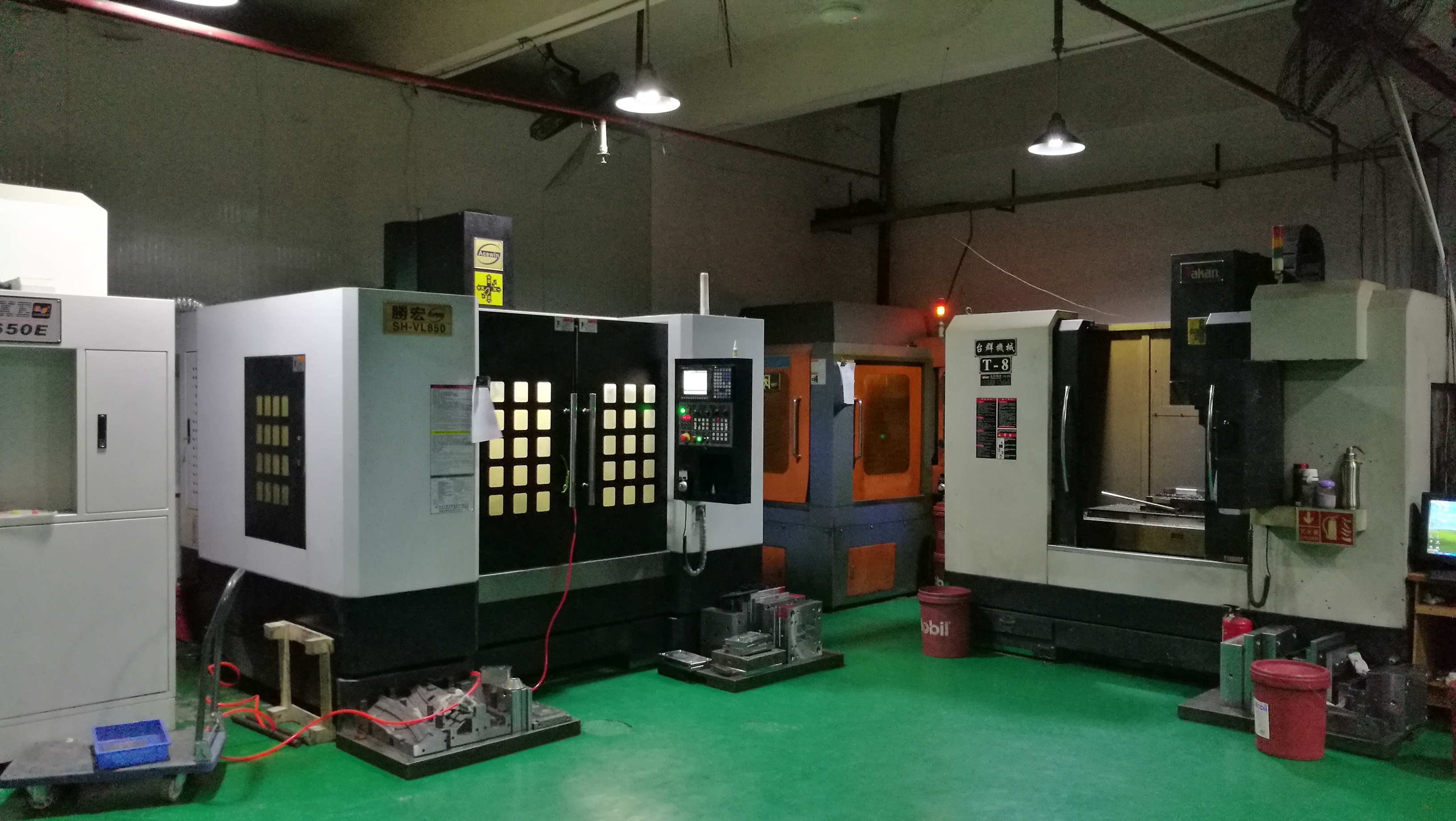
In mold work, classification starts with the workpiece material and the forming process, because those two factors drive everything downstream—steel selection, machining method, and cost. Metal forming relies mainly on stamping dies and die-casting dies, while non-metal forming is dominated by plastic injection molds. A stamping die for sheet metal might run on a 200-ton press with clearances measured in hundredths of a millimeter, whereas a plastic injection mold needs a properly designed runner system, cooling channels, and ejection layout to handle shrinkage and cycle time. The structural differences are not cosmetic; they determine whether a mold can hold tolerance over a million shots. When you review a quote, check whether the mold type matches the actual production process—misclassifying a part as a simple stamping job when it really needs a progressive die is a common source of cost overruns.
From a machining standpoint, the core processes are CNC milling, EDM (including wire cut and sinker), grinding, and increasingly additive manufacturing for conformal cooling inserts. A typical injection mold cavity and core are roughed on a 3-axis or 5-axis machining center, then finished by sinker EDM in deep ribs or sharp corners where a cutter cannot reach. Wire EDM handles punch and die plates for stamping tools, holding ±0.005 mm on locating features. Heat treatment—usually quenching and tempering to 48–52 HRC for cavity inserts—must be scheduled before final finishing, or you risk dimensional shift. For die-casting dies, H13 steel is standard, and thermal fatigue cracking around the gate and runner is the main life limiter. Knowing these details helps you ask the right questions: What steel grade? What hardness? What EDM tolerance? Those answers separate a real mold shop from a trading company.
In practice, the most useful classification is by application: prototype molds for validation, bridge molds for market testing, and production molds for high-volume runs. A prototype mold might use aluminum inserts and a simplified cooling layout to save cost and lead time, while a production mold for the same part could switch to hardened steel with optimized cooling and a hot runner system. The quote should reflect that progression. If a supplier quotes the same price for both, either they misunderstood the requirement or they are cutting corners on steel and finishing. For more mold sourcing information and supplier comparisons, visit MoldWorld at www.moldw.com.