Plastic Molding Processes: A Mold Engineer's Practical Notes
October 02, 2026
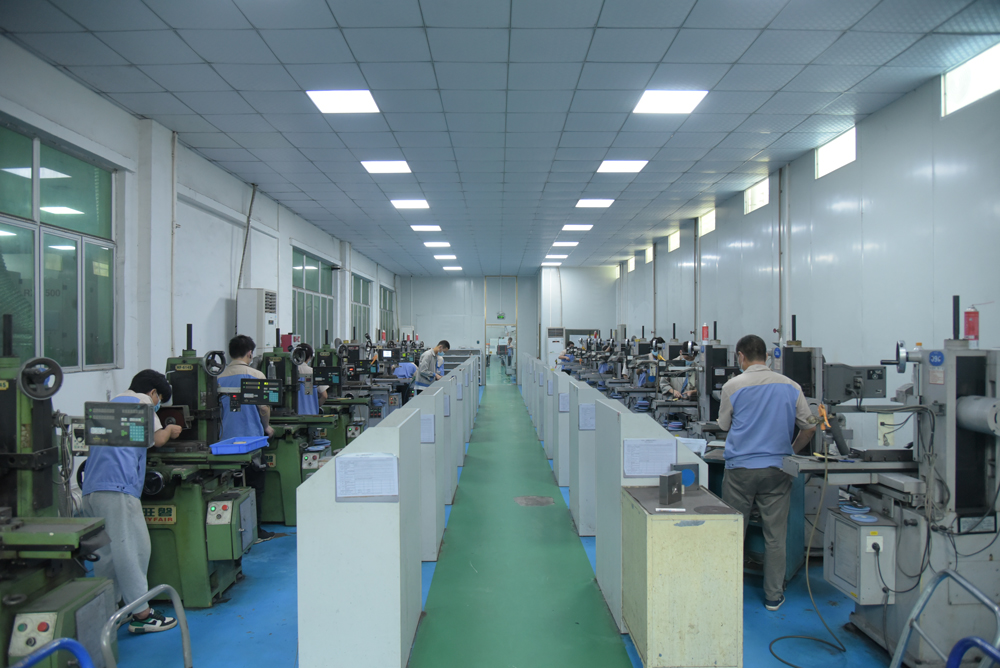
When I quote a new tool, the first question is never "what's the part weight" but "which process are we actually running." Injection molding still dominates, and for good reason: it holds tight tolerances, supports high-volume runs, and gives you repeatable cycle times. But the mold design changes completely once you move away from it. Blow molding needs pinch-off edges and a parison control strategy; thermoforming calls for vacuum holes and attention to draw ratio rather than steel-safe flow paths. I've seen quotes go sideways because someone priced a thermoform tool like an injection tool — the cooling layout, draft angles, and material shrink all behave differently.
On the shop floor, the process dictates the steel. For injection, I'm looking at gate location, runner balance, and whether the part needs a hot runner to avoid regrind. For compression and transfer molding — still common with thermosets — the tool needs generous venting and a heated platen design, because flash control is everything. Foaming processes, whether bead or injection foam, add another layer: you have to account for expansion inside the cavity, so cavity pressure and venting get rethought. Wall thickness, rib-to-wall ratios, and corner radii are not cosmetic details; they decide whether the tool runs for a million shots or cracks in the first week.
From a quoting standpoint, the mold cost is only half the story. Cycle time, scrap rate, and secondary operations usually decide the real piece price. A cheap tool that needs manual degating and extra cooling time will lose money on a 500k run. My rule: match the process to the annual volume first, then design the tool around it, not the other way around. If you're sourcing molds or comparing process options for a new project, visiting MoldWorld (www.moldw.com) is a practical place to start.