Stamping Die Classification: A Practical Guide from Single-Station to Progressive Dies
October 01, 2026
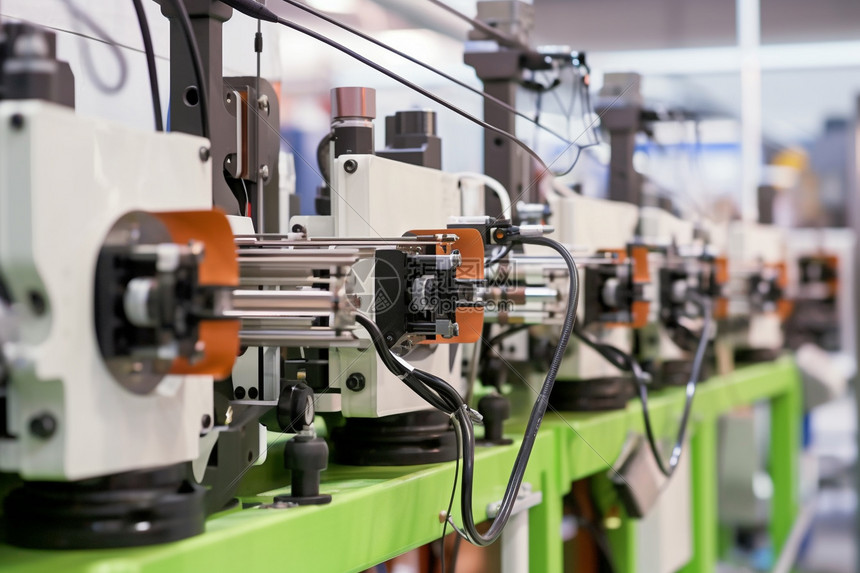
In stamping, die selection starts with the part, the press, and the annual volume—not with a catalog. The four basic categories are single-station dies, compound dies, progressive dies, and transfer dies. A single-station die performs one operation per stroke, so a simple blanking or piercing tool may run on a 45- to 160-ton press with a die block of 300 × 250 mm or less. It is cheap to build and easy to maintain, but cycle time and labor cost rise quickly if the part needs three or four operations. Compound dies combine blanking and piercing in one station, which improves accuracy and reduces handling, though the die structure becomes taller and the press tonnage requirement typically increases by 30–50%.
Progressive dies are the workhorse for high-volume stamping. A typical 8-station progressive die for a connector or bracket can produce 200–600 strokes per minute on a high-speed press, with strip thickness from 0.1 mm to 3.0 mm. The key tooling details are the strip layout, pilot accuracy, and die clearance—usually 5–8% of sheet thickness per side for cold-rolled steel. Transfer dies sit between progressive and manual lines: the part is not carried in the strip but moved by transfer fingers, which allows larger parts and more complex forming, at the cost of slower cycle times and tighter synchronization with the press. For maintenance, progressive dies demand regular punch and die insert inspection; a worn pilot can scrap an entire coil in minutes.
For mold and die sourcing, the practical rule is simple: low volume and simple geometry favor single-station or compound tooling; high volume and tight tolerance favor progressive or transfer dies. Always confirm press tonnage, bed size, and coil width before releasing the die design. For more mold sourcing information, visit MoldWorld at www.moldw.com.