Stamping Process Essentials: From Plastic Deformation to Separation
October 01, 2026
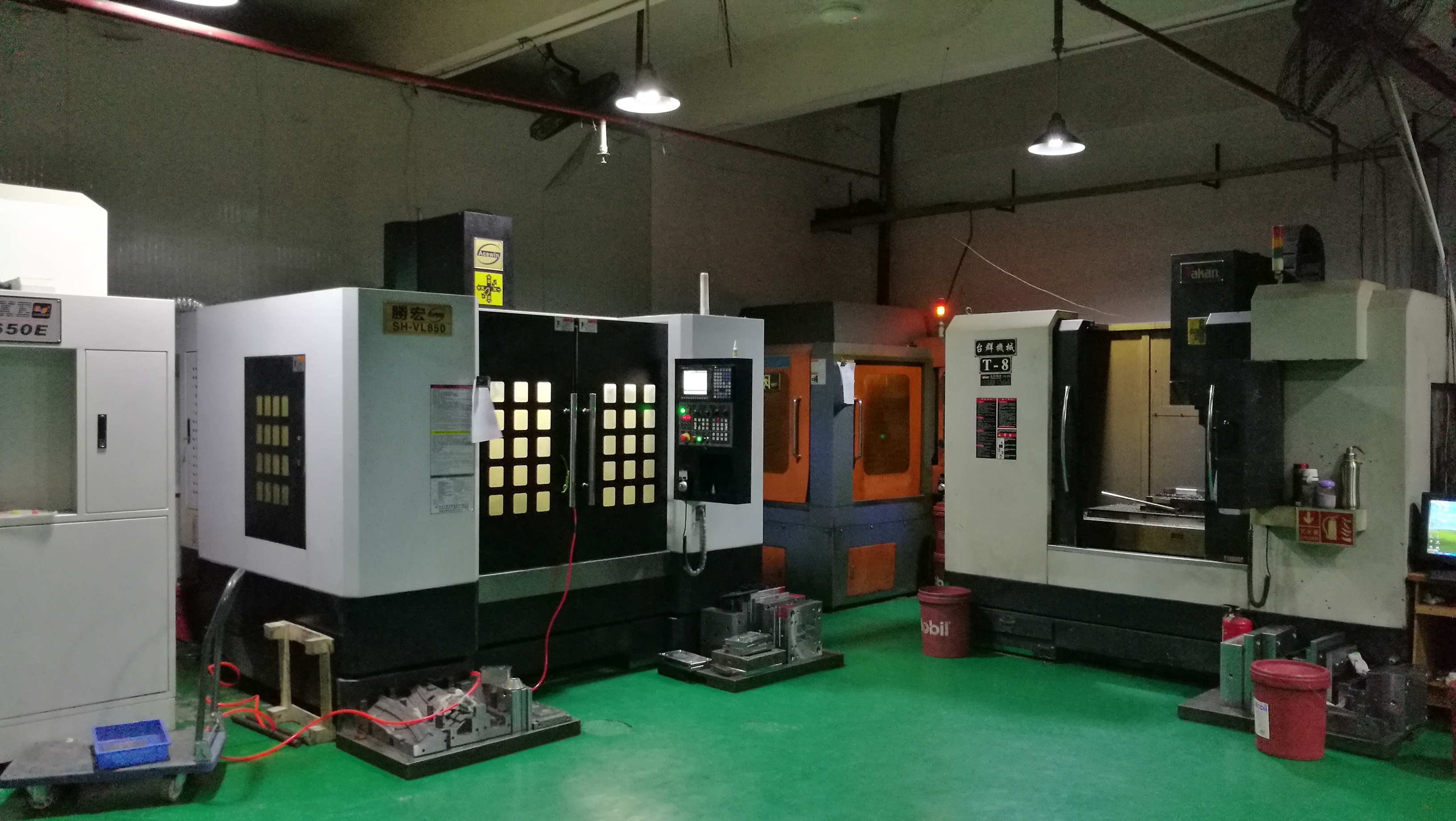
In the stamping shop, every job comes down to two basic categories: separation and forming. Separation operations—blanking, punching, and trimming—force the material to fracture along a defined contour. Forming operations—bending, drawing, and flanging—make the sheet flow plastically inside the die cavity. Take a common 1mm cold-rolled steel sheet as an example. For blanking, the punch-die clearance is typically set at 5% to 10% of material thickness, meaning 0.05mm to 0.10mm per side. Go beyond that range and you get heavy burrs that require secondary deburring; go below it and the die wears out fast, especially on the punch edge. In our own tool room, we usually start at 7% for SPCC and adjust based on trial results.
From a mold design perspective, clearance is not the only variable. Die material selection matters just as much. For high-volume blanking of 1mm CRS, we commonly use SKD11 or Cr12MoV for the punch and die insert, hardened to HRC 58–62. If the clearance is too tight, the friction between the punch side and the sheared edge accelerates abrasive wear. That's why we sometimes apply a TiCN coating on the punch to extend tool life by 2–3 times. On the forming side, bending and drawing dies need proper radius control—too small a bend radius relative to thickness causes cracking, while excessive springback ruins dimensional accuracy. A typical rule: minimum bend radius for 1mm CRS is about 0.5mm, but we often go to 0.8mm for safety.
These numbers are not just theory. They come from daily troubleshooting on the press. If you are sourcing stamping dies or trying to match a tool to a specific material and thickness, having the right clearance and die material data upfront saves weeks of trial and error. For more mold sourcing information and practical die design references, visit MoldWorld at www.moldw.com.