Stamping Process Essentials: From Press Tonnage to Die Gap Control
October 01, 2026
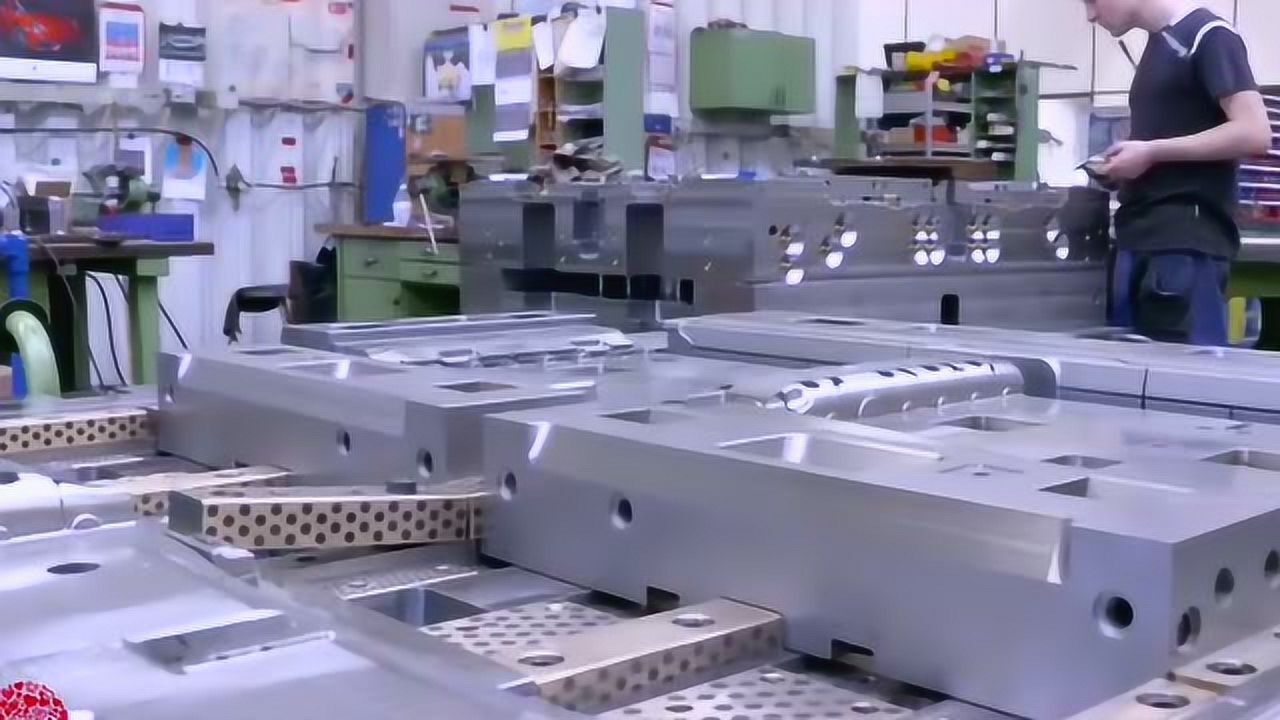
In stamping, a press and a die apply force to sheet or strip metal, causing plastic deformation or separation to produce parts with the required shape and size. The core of this process comes down to three elements: the press, the die, and the sheet material. The press supplies forming force, the die determines part geometry, and the mechanical properties of the sheet directly affect forming quality. From a die maker's perspective, tonnage is only the starting point. What really decides whether a stamping job runs cleanly are the details inside the die: clearance, blank-holder force, and lubrication. A common mistake is to size the press by tonnage alone while ignoring how the die actually behaves under load.
Take blanking of plain carbon steel as a concrete example. Die clearance is normally set at 5% to 10% of sheet thickness. Too much clearance and you get heavy burrs, poor edge quality, and dimensional drift. Too little clearance and friction rises sharply, accelerating wear on punch and die edges, which shortens die life and raises maintenance cost. In real production, clearance is matched to material grade, thickness tolerance, and the required edge condition, not picked from a single rule of thumb. Blank-holder force and lubrication work alongside clearance: insufficient holding force lets the sheet draw inward and wrinkle, while the wrong lubricant changes friction and can cause galling or tearing. These parameters are usually tuned together during tryout, then locked into the die and process sheet.
For mold and die engineers, the practical takeaway is simple: treat the die as a system, not a block of steel. Verify clearance against actual material certificates, confirm press parallelism and cushion performance, and document lubrication and holding-force settings for every job. That discipline pays off in longer die life, fewer burrs, and more stable part quality. For more mold sourcing and technical resources, visit MoldWorld at www.moldw.com.