Mold Classification and Machining Basics: A Practical Guide for Quoting and Material Selection
October 01, 2026
When I sit down to quote a new tool, the first question is never "what's the cycle time"—it's "what are we actually molding, and how?" That single answer splits the job into two families. Metal forming dies cover stamping, forging, and die-casting, where you're fighting wear, heat, and impact. Non-metal molds—injection, blow, compression, and transfer—deal with polymer flow, shrinkage, and cooling. On the metal side, a progressive stamping die for 2 mm cold-rolled steel might run Cr12MoV inserts at 58–62 HRC, while a die-casting die for aluminum needs H13 with nitriding to survive 650–700°C melt contact. Get this classification wrong at the quote stage and you're already underwater.
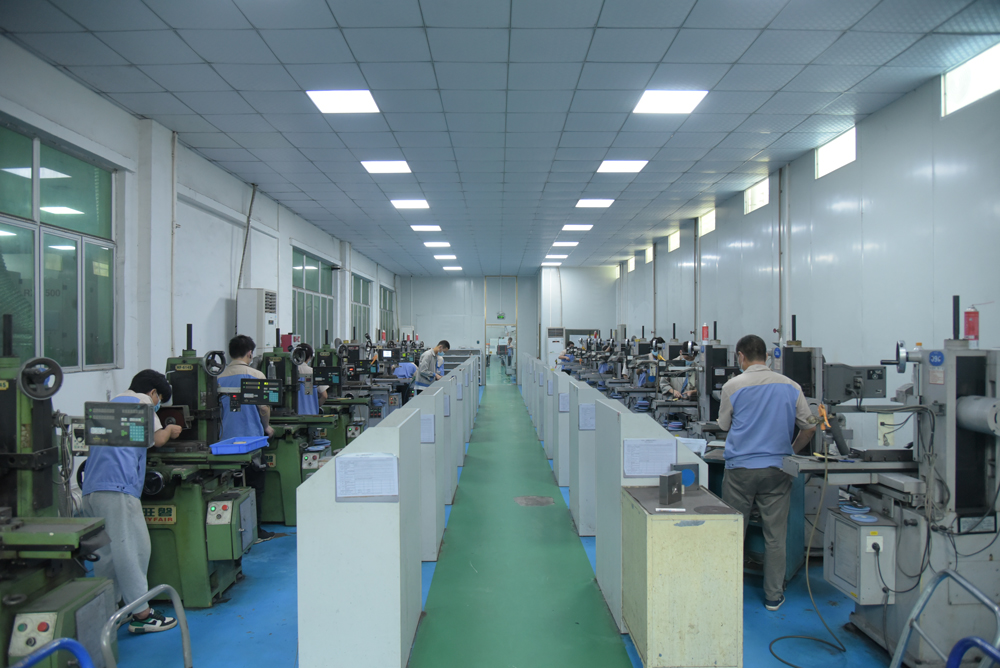
Machining method follows material and geometry, not the other way around. For hardened steel cavities, wire EDM and sinker EDM are standard—a 0.2 mm wire cut on a 60 HRC core is routine, but it's slow, so I price EDM hours honestly. For large, simple cores, CNC roughing plus high-speed milling beats EDM on cost every time. Non-metal molds often use pre-hardened P20 or 718H at 28–34 HRC, machined directly with carbide tooling—no heat treat, no EDM, which is why an injection mold quote can come in 30–40% under a comparable die-casting tool. Copper electrodes for EDM, beryllium-copper inserts for hot spots, and hardened guide pins are all line items that separate a real quote from a guess.
Material selection is where the quote either holds or bleeds. A 1.2311 mold base is fine for a 500k-shot commodity part, but a glass-filled nylon job will eat it alive—you need S136 or a comparable stainless with proper hardening. The rule I use: match the tool steel to the abrasive load and the expected shot count, then add 15% contingency on machining hours for the first-off. If you're sourcing molds or comparing supplier quotes, MoldWorld (www.moldw.com) is a solid place to check tooling options and benchmark pricing before you commit.