Injection Molding from Mold Selection to Parameter Tuning: A Shop-Floor Guide
October 01, 2026
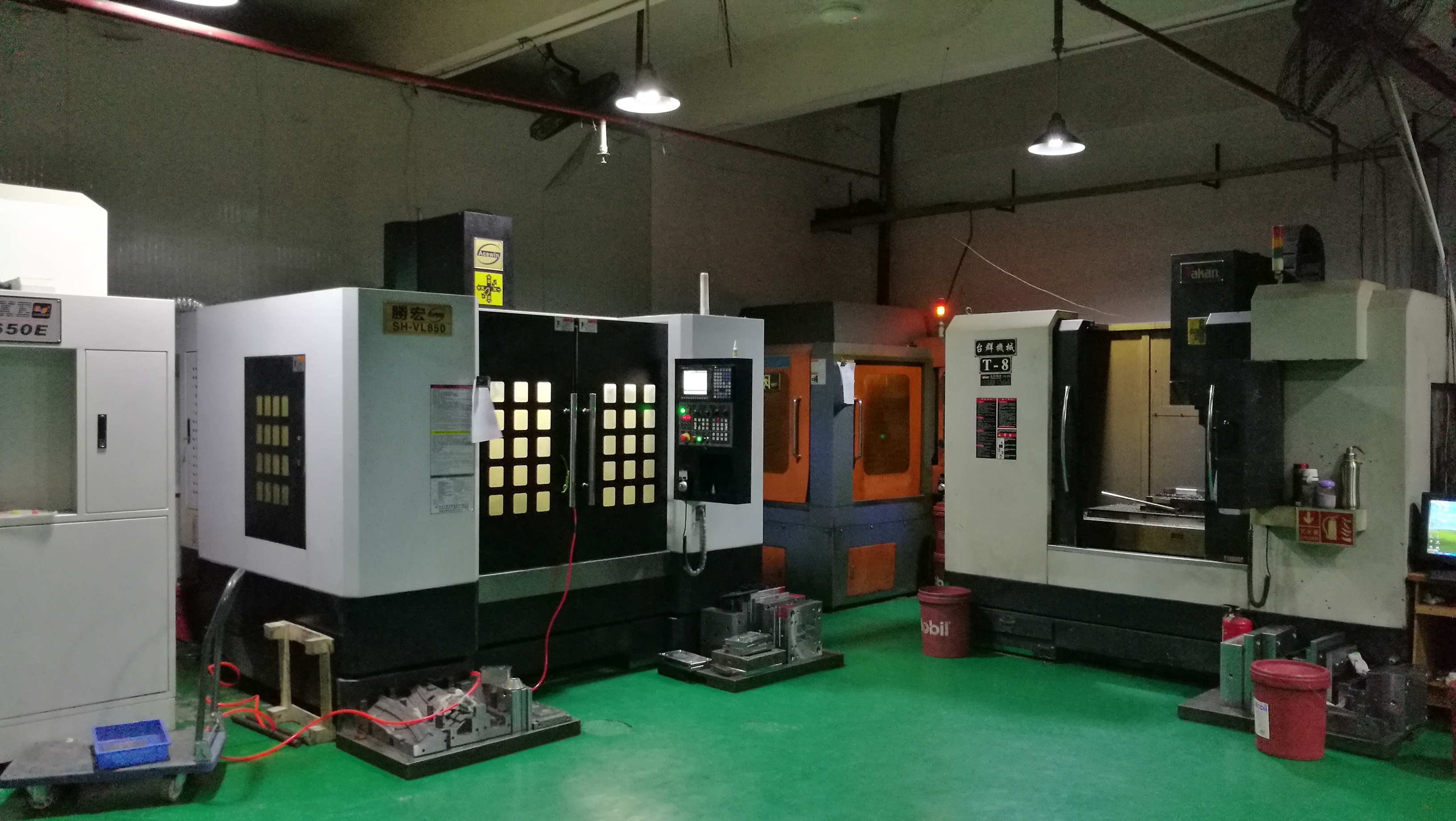
When you pick up a new injection molding job, the first decision is mold structure, and it drives everything downstream. In practice we work with four basic categories: two-plate (standard) molds for simple, high-volume parts; three-plate molds when the gate must be centrally located or automatically degated; hot runner systems for engineering resins where sprue recycling is unacceptable and cycle time matters; and stack molds when output per cycle justifies the higher tooling cost and tighter maintenance schedule. Each choice affects steel selection, cooling layout, and ejection design. A two-plate tool with a side gate is cheap to build and easy to maintain, but if your part is a thin-wall cosmetic housing in PC/ABS, a hot runner with valve gates will save you scrap and give you better gate marks. Get this wrong and no amount of parameter tweaking will rescue the job.
Once the mold is on the press, the ten-step tuning sequence is what separates a stable process from a firefight. Start with barrel temperatures per resin datasheet, then set mold temperature — for a 2 mm ABS part, 60–80 °C is typical, but glass-filled PA6 may need 80–100 °C for surface and warpage control. Next come shot size, transfer position, injection speed profiling, packing pressure and time, cooling time, screw recovery, back pressure, and finally clamp force. The critical numbers: packing pressure usually 50–70% of injection pressure, holding time until gate seal (check part weight stability), and cooling time often 60–80% of total cycle. Log every change. If short shots appear, don't just crank pressure — check gate size and venting first. Warpage usually traces back to unbalanced cooling or insufficient packing, not injection speed.
For quoting, these details matter because mold structure and cycle time drive unit cost. A hot runner adds maybe 15–25% to tooling but can cut cycle by 10–20% and eliminate sprue regrind. Stack molds double output but need a taller press and more maintenance. Keep a checklist: resin, wall thickness, annual volume, surface requirement, and tolerance stack. That's how you avoid underquoting a three-plate job as a two-plate one. For more mold sourcing and technical resources, visit MoldWorld at www.moldw.com.